The Bird of a Thousand Voices
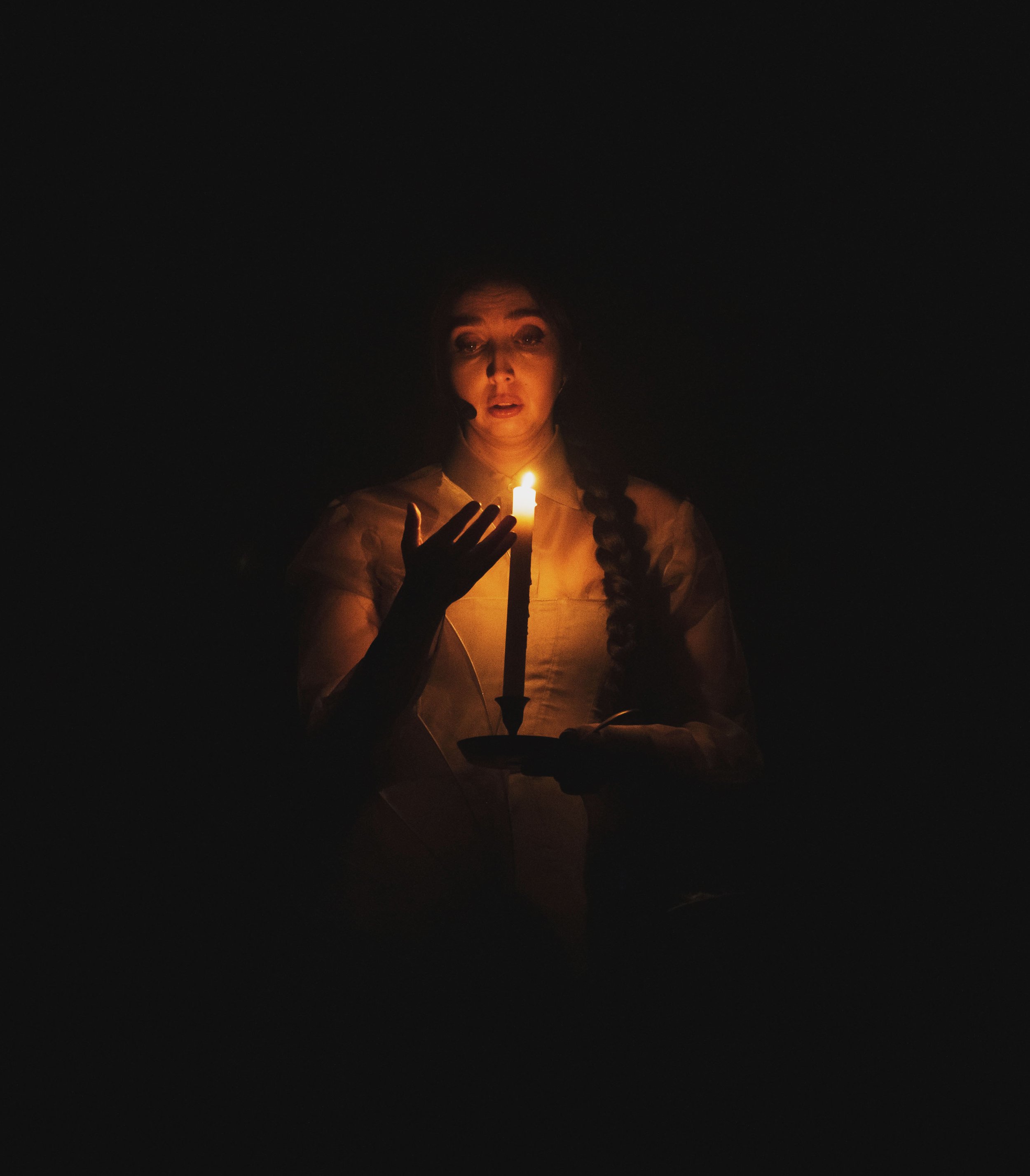
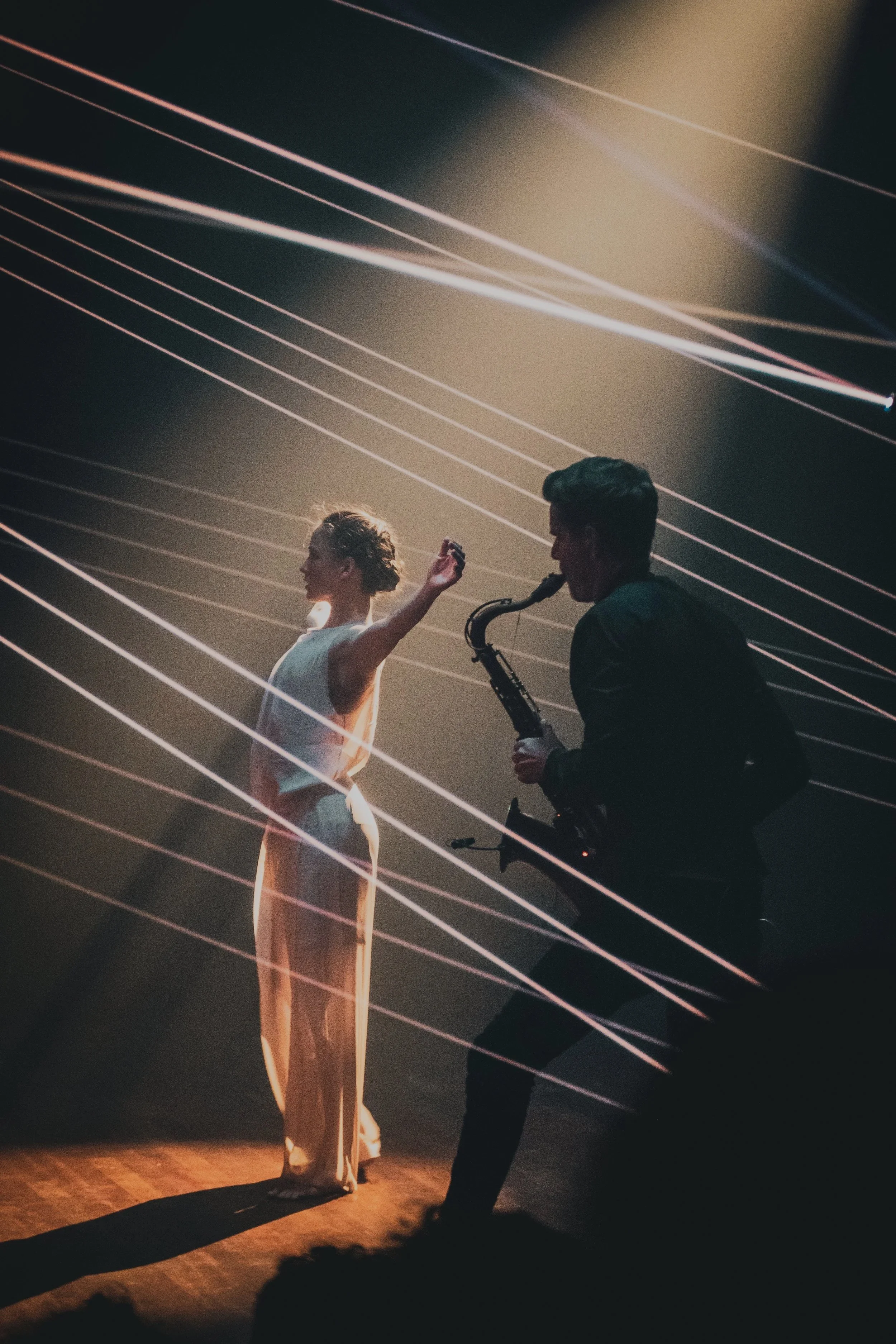
The Bird of a Thousand Voices is a large-scale staged music theatre work inspired by the ancient Armenian folk tale Hazaran Blbul. Composed by Tigran Hamasyan and directed by Ruben Van Leer, the performance merges live music, libretto, light, and kinetic scenography into an immersive ritual of memory and transformation.

“The Bird of a Thousand Voices pulls out all the stops to translate an Armenian folktale into images, sound, feelings, associations, and—if one so desires—a political message.”
where voices carry what history forgets
The Bird of a Thousand Voices grew out of a long-standing collaboration between pianist-composer Tigran Hamasyan and director Ruben Van Leer, driven by a shared belief that ancient stories act upon the present as living forces. When Hamasyan began composing his largest work to date, inspired by Hazaran Blbul, he invited Van Leer as co-creator in reactivating the myth for a contemporary audience.
The performance unfolds as a field of transmission. The story surfaces in fragments and shifting perspectives, closer to the way memory works than to a linear plot. At its centre stands soprano Areni Agbabian, embodying narrator, Manushak, bird, and maternal figure. Her multiplicity reflects a central insight: myths survived not through institutions, but through mothers passing stories to their children. Here, voice becomes carrier of culture and continuity.
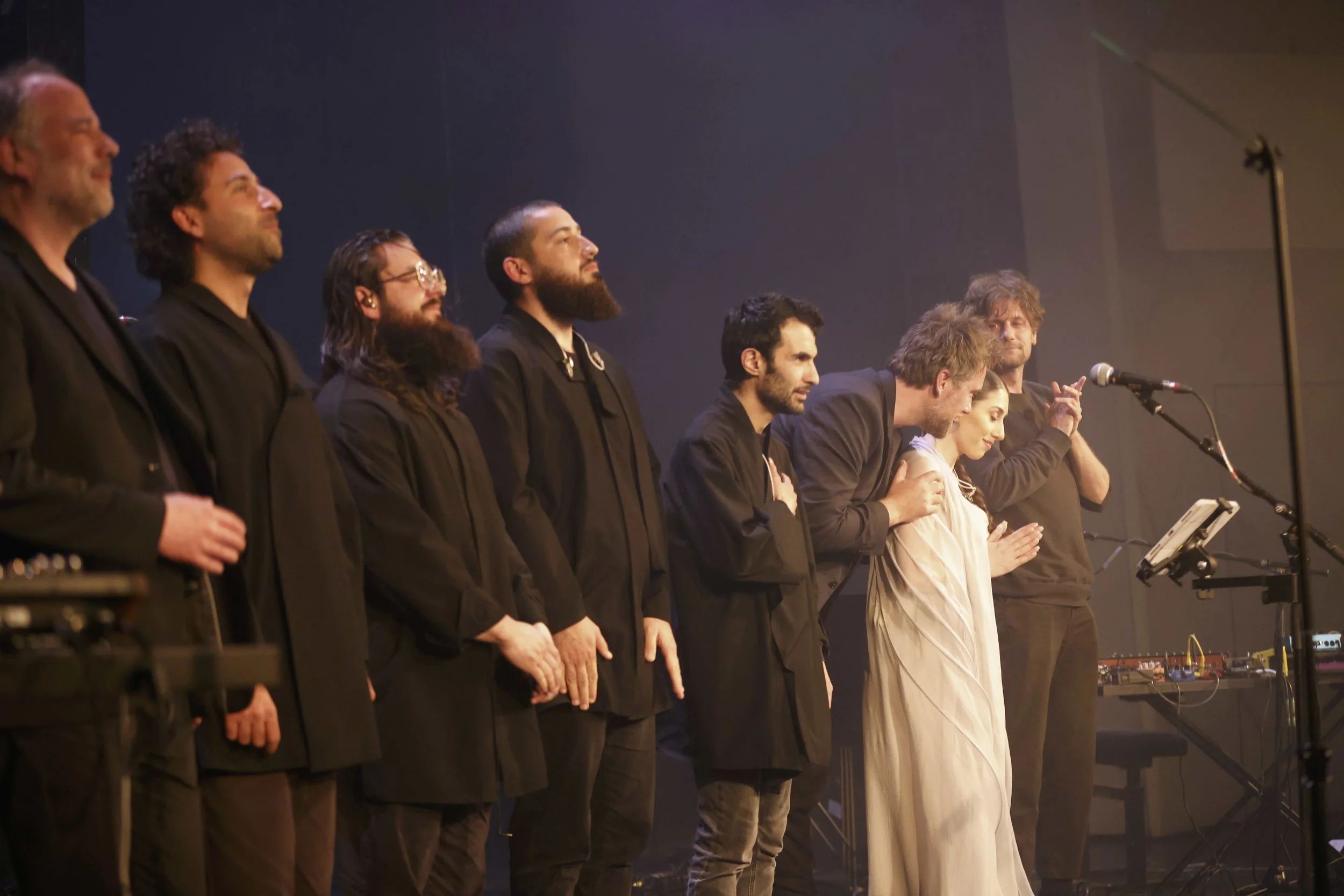
The libretto intertwines passages from the original poetic version by Armenian poet Serine with new texts by dramaturgist Florian Hellwig. Old and new coexist without merging into a single time. Hamasyan’s music - drawing from Armenian folk, jazz improvisation, progressive rock and electronic textures - forms the landscape through which everything moves. With Matt Garstka, Yessaï Karapetian, and Marc Karapetian, the band operates as one organism, allowing sound to remain the dominant narrative force.
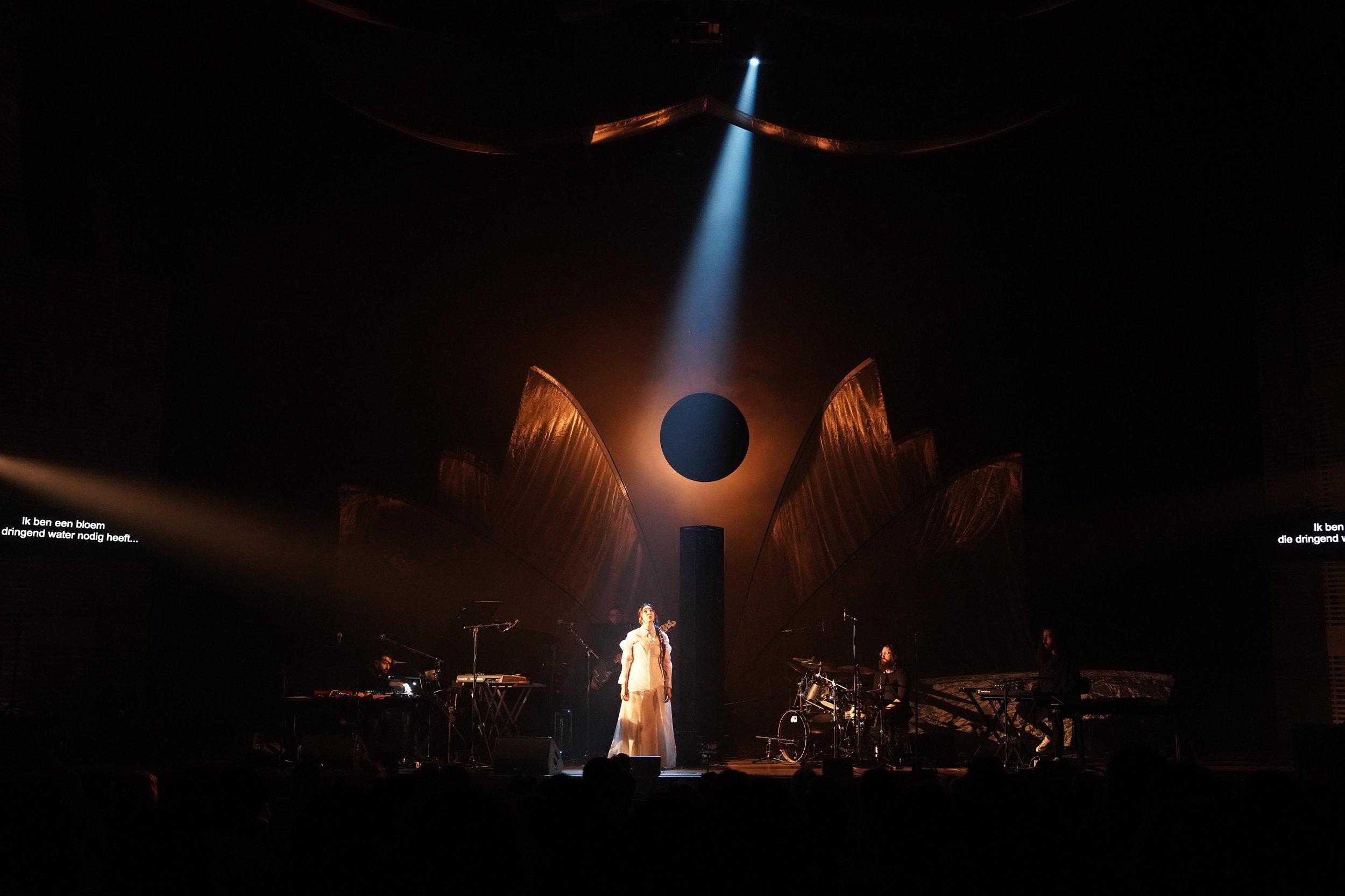
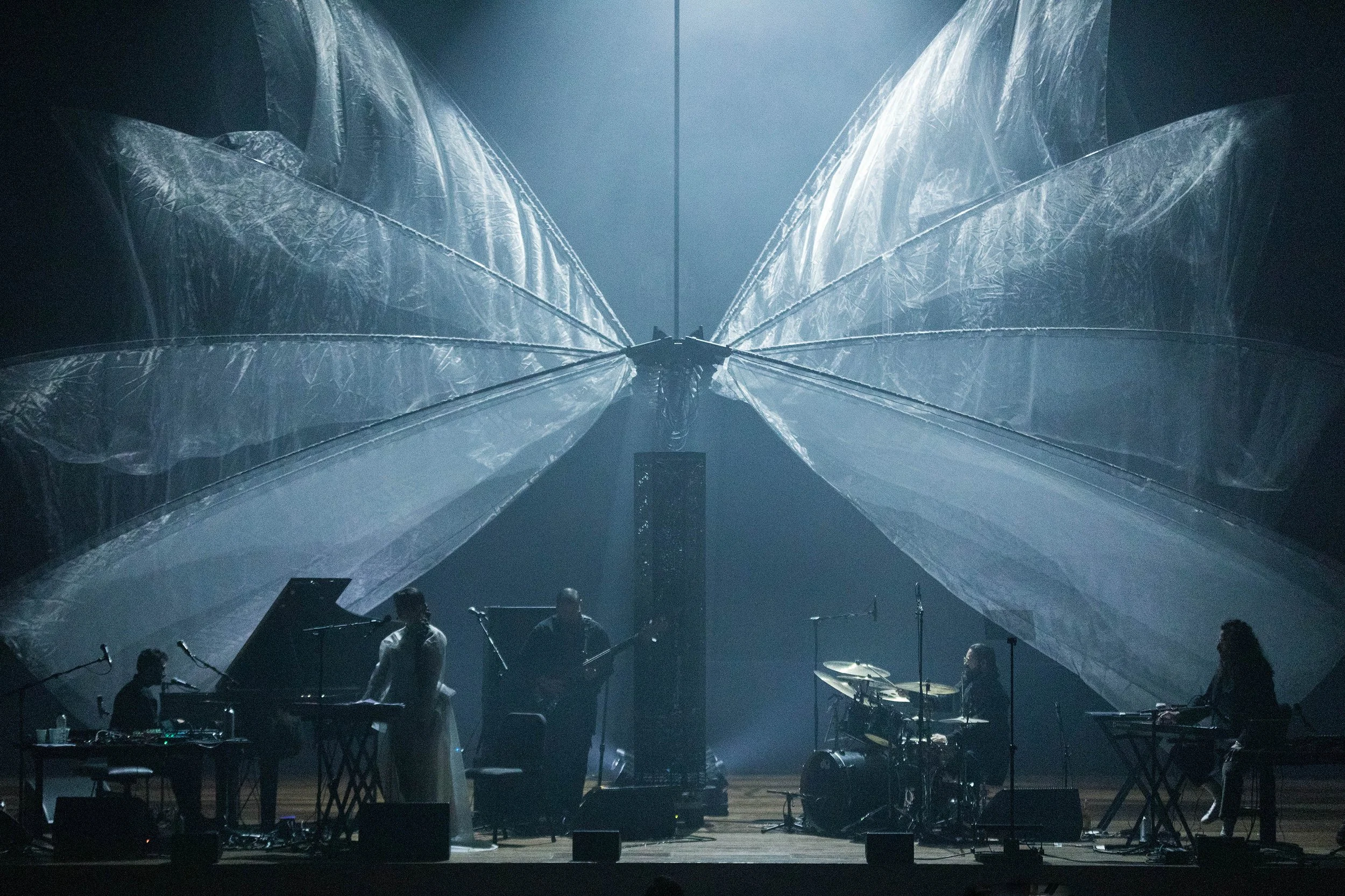
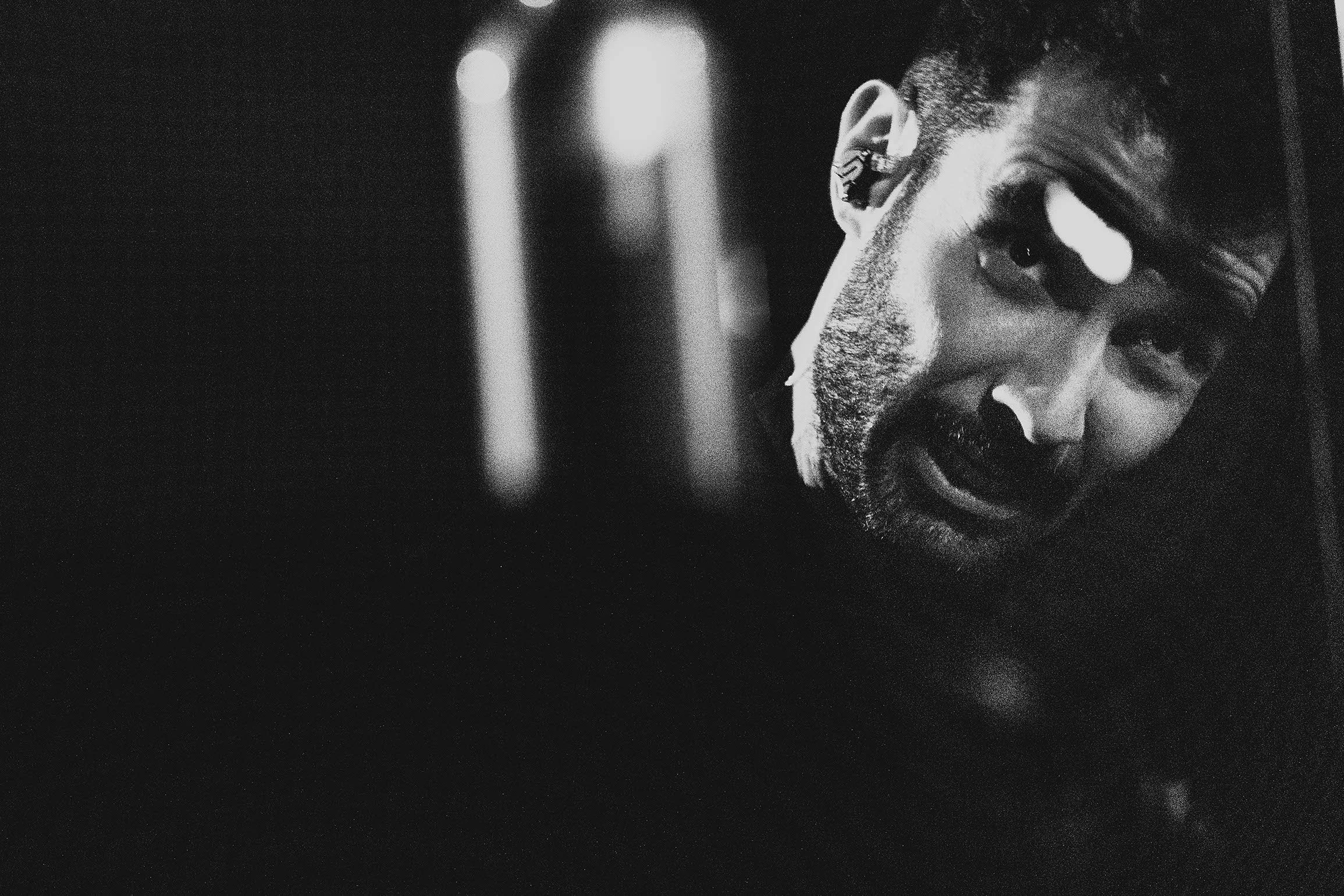
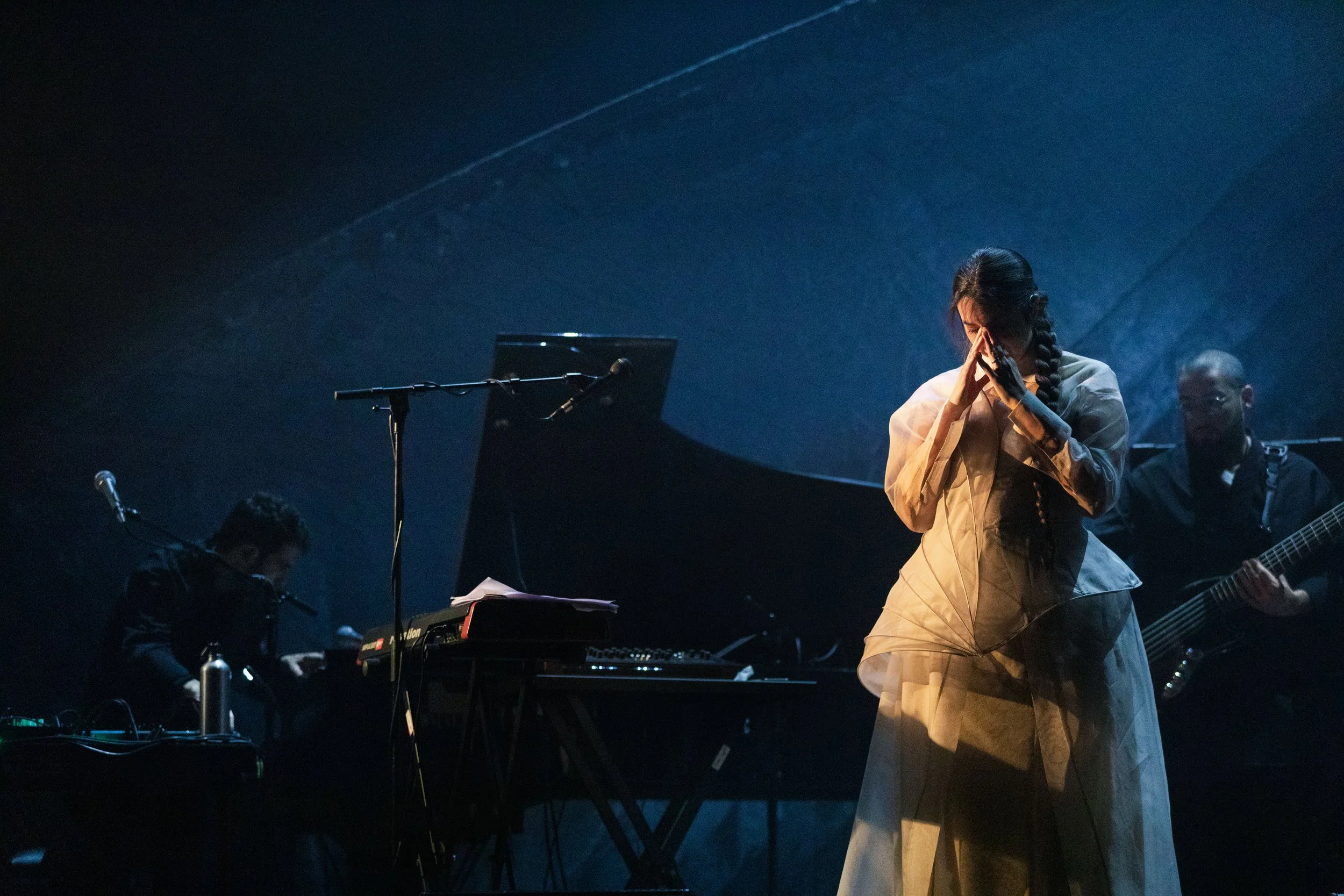
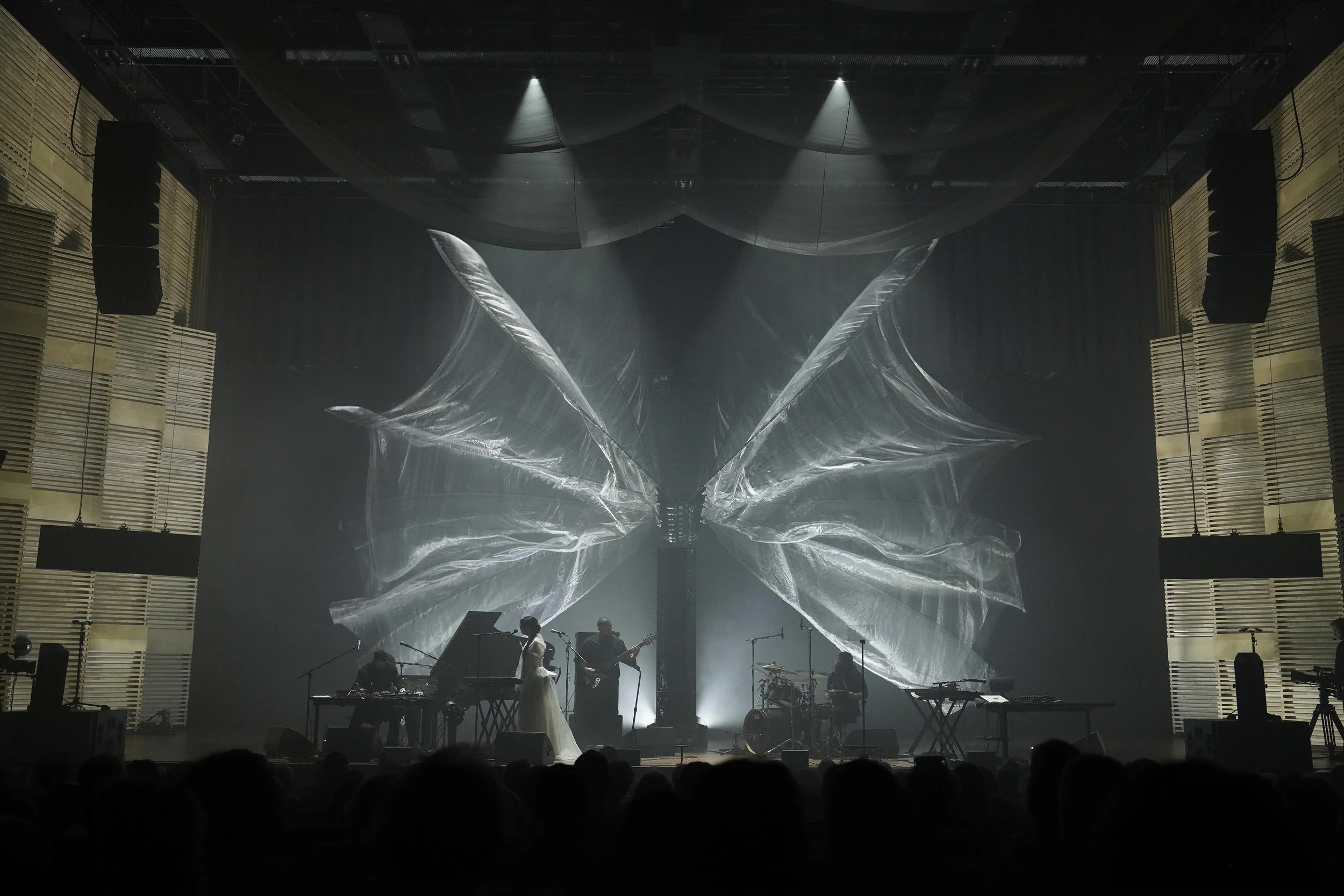

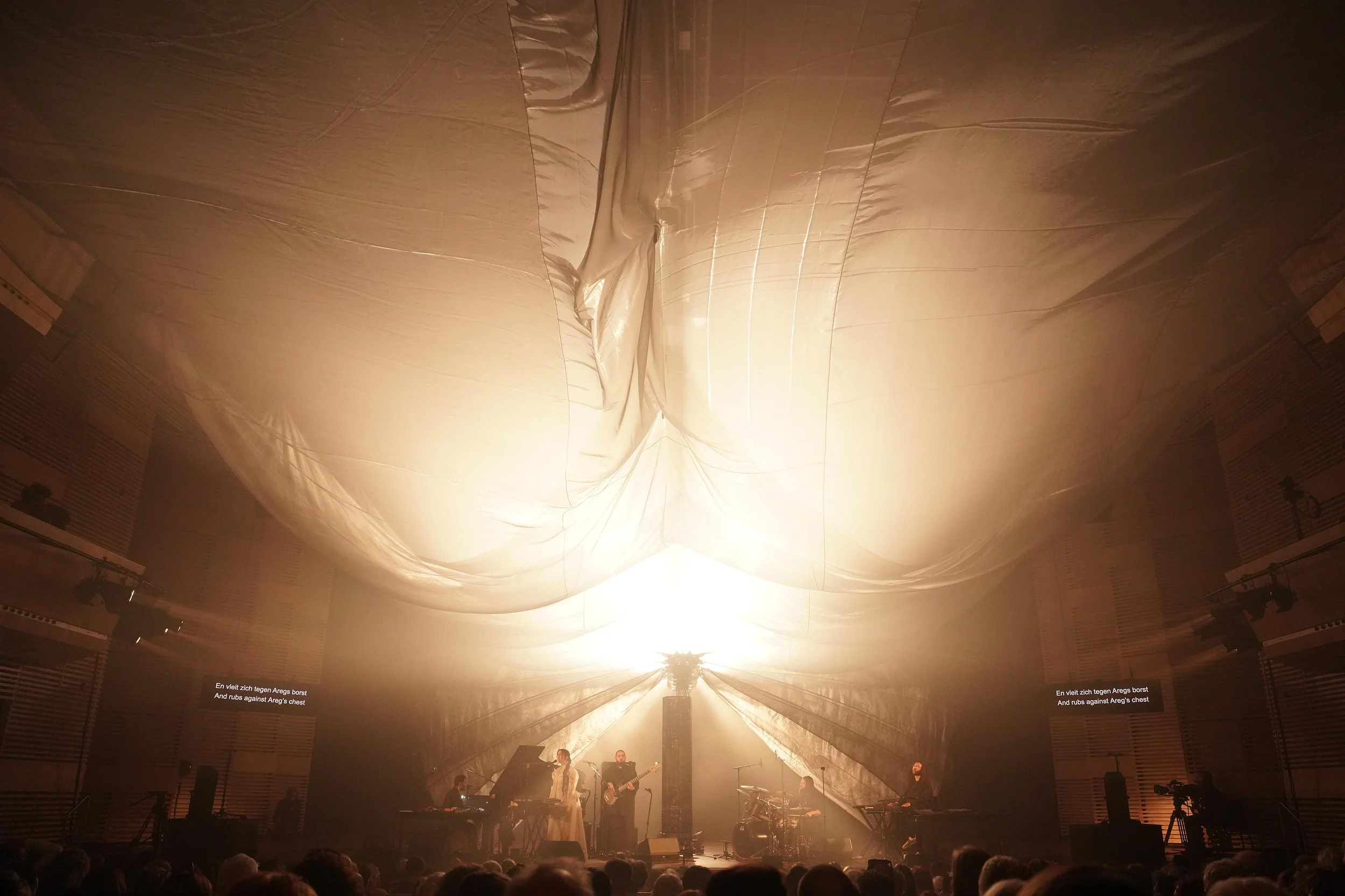
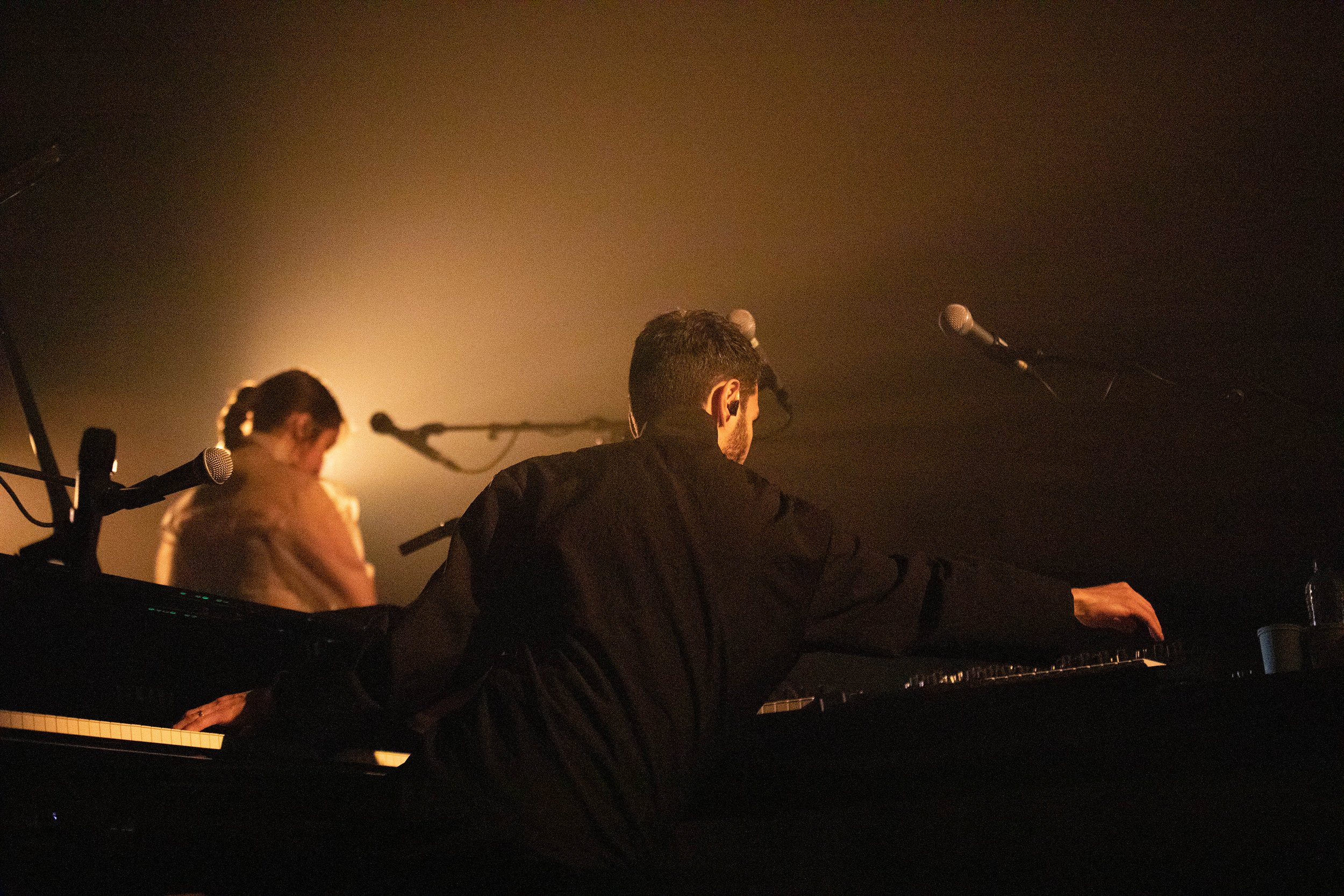
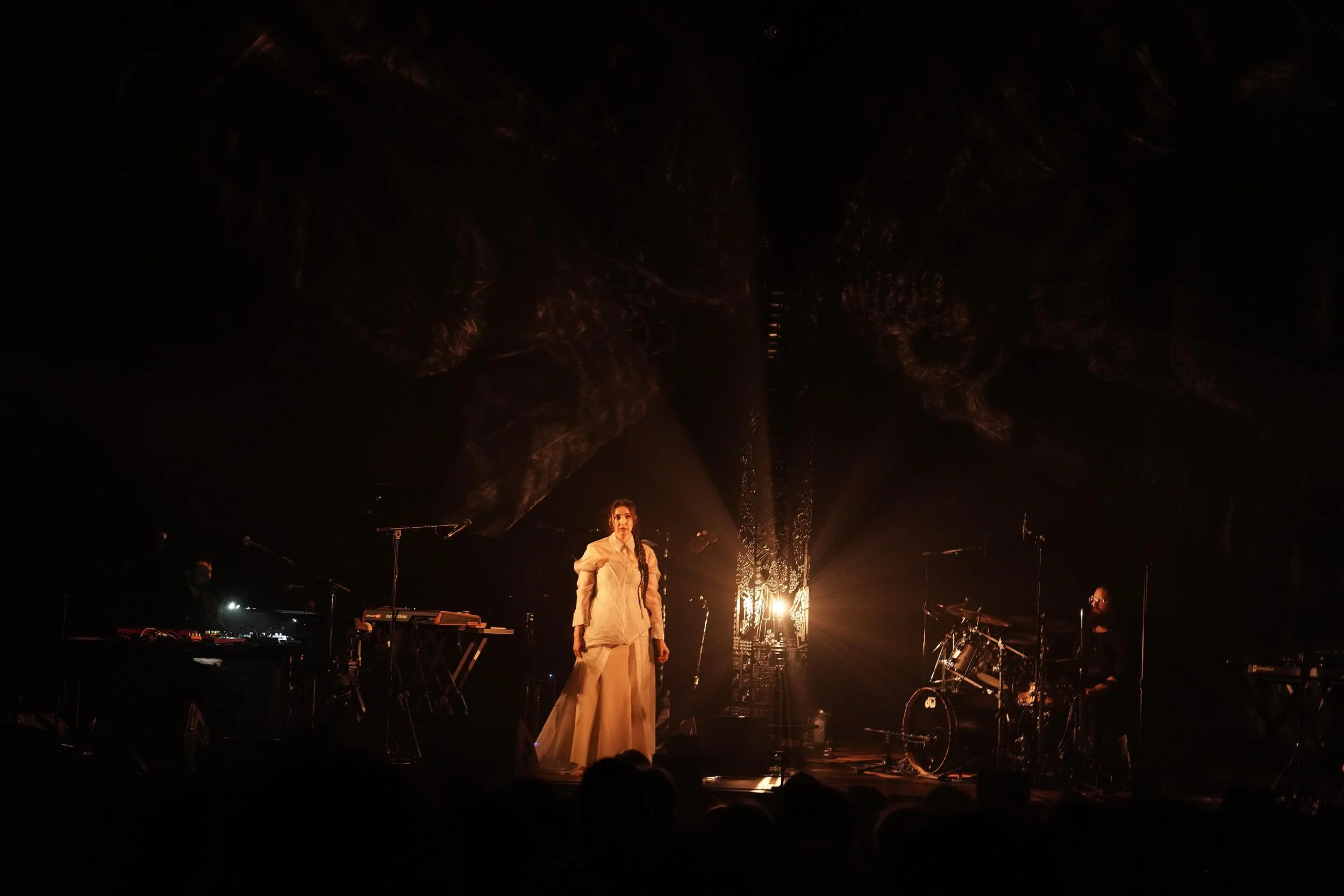
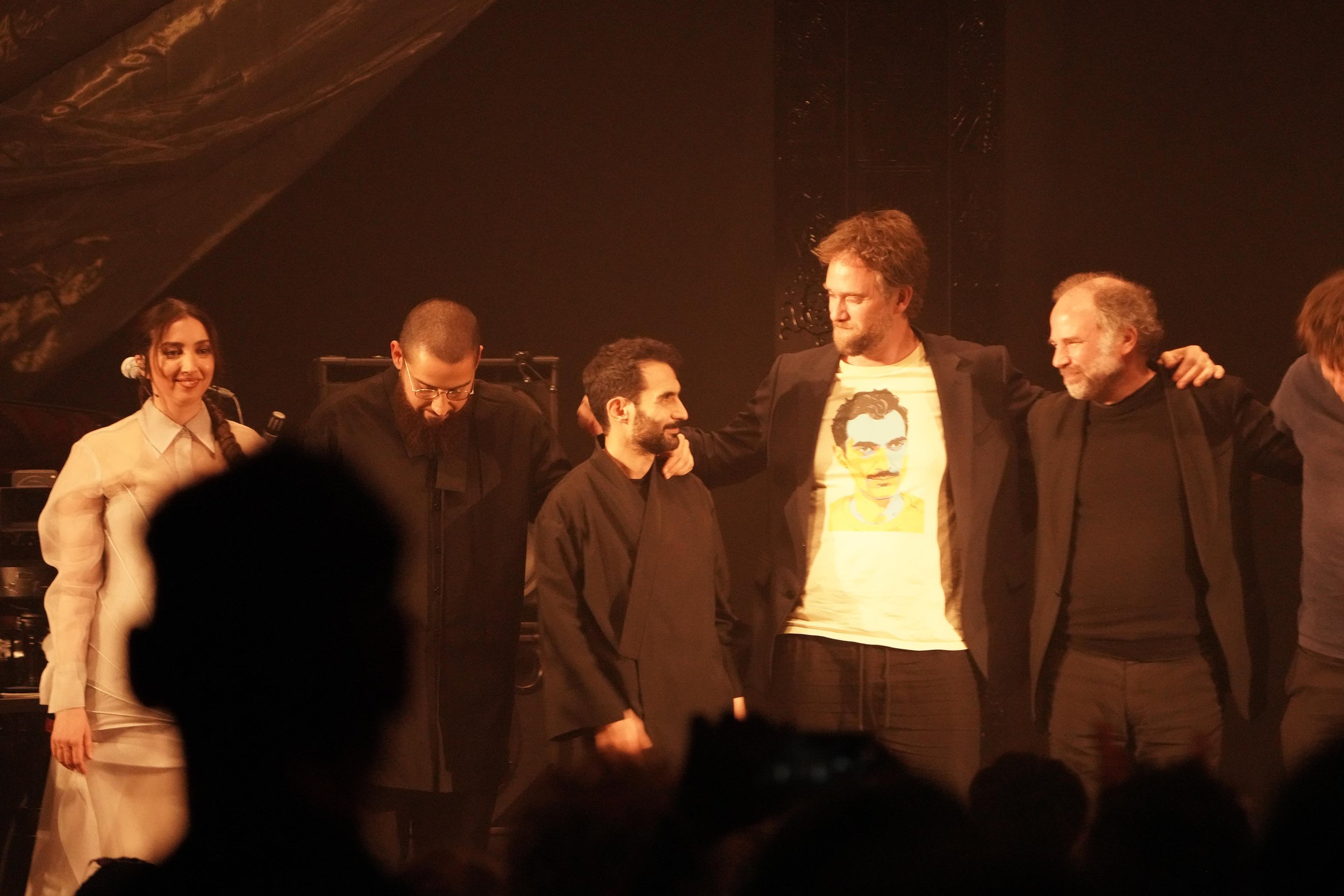
staging as a space for listening
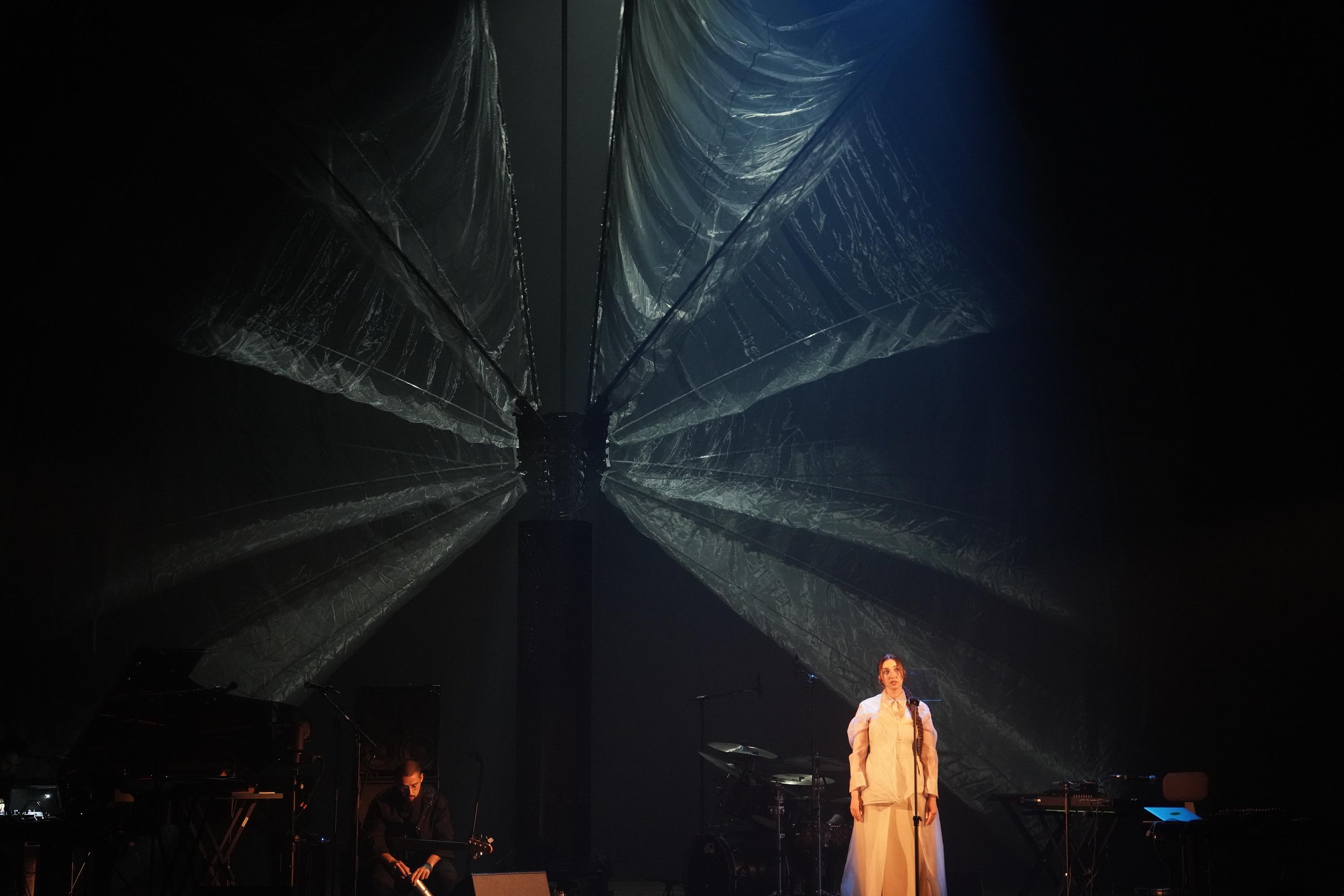
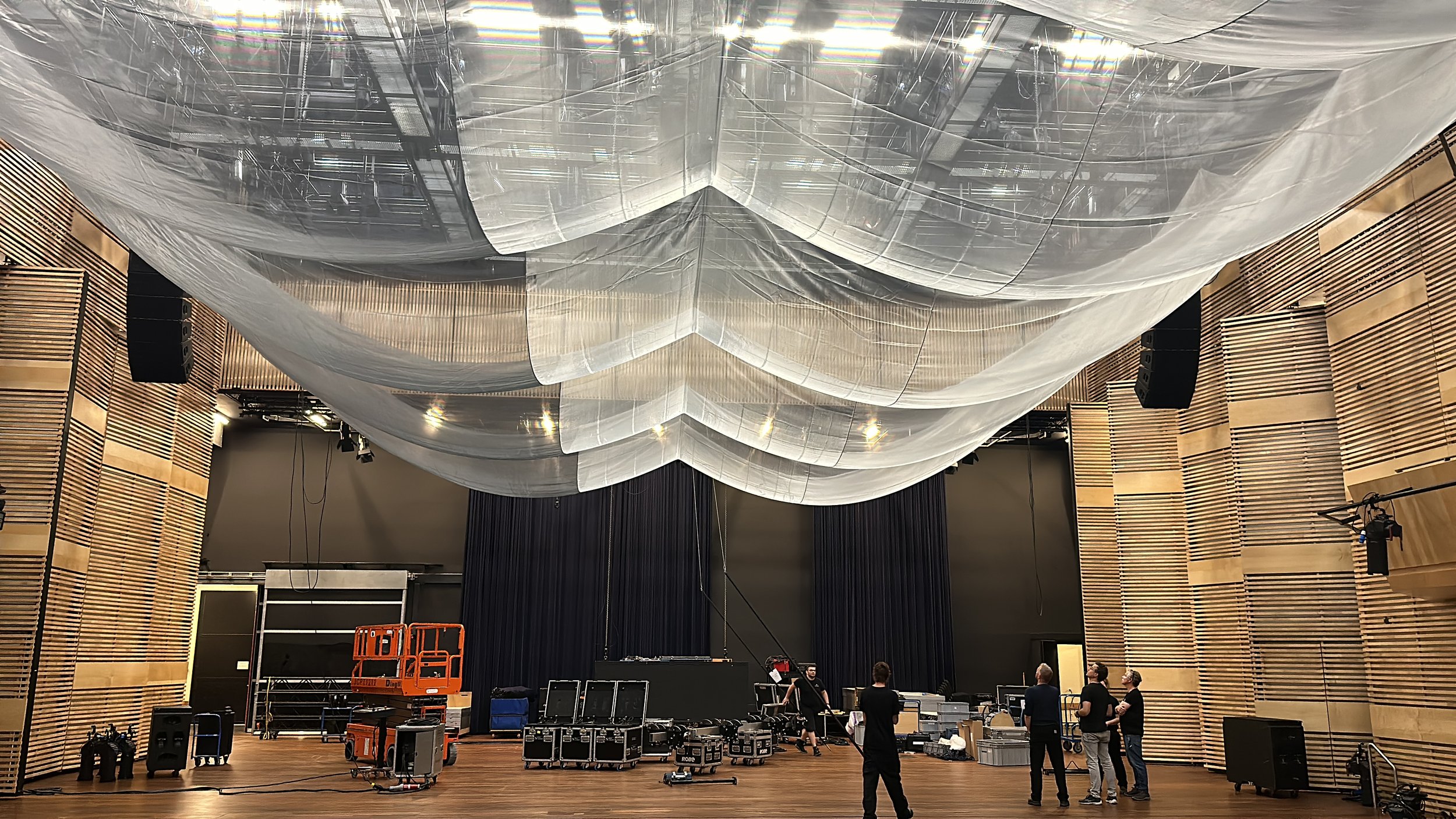
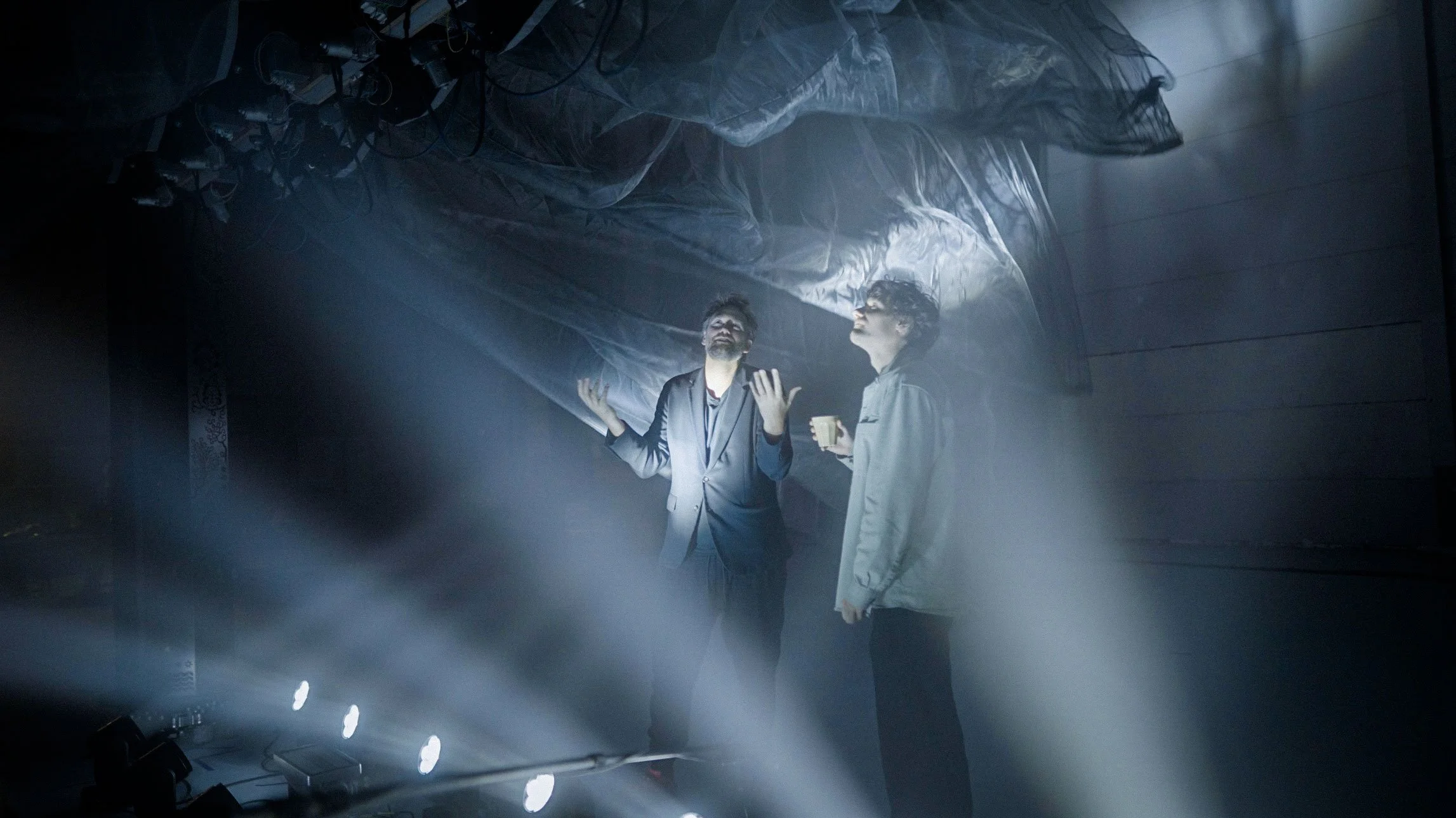
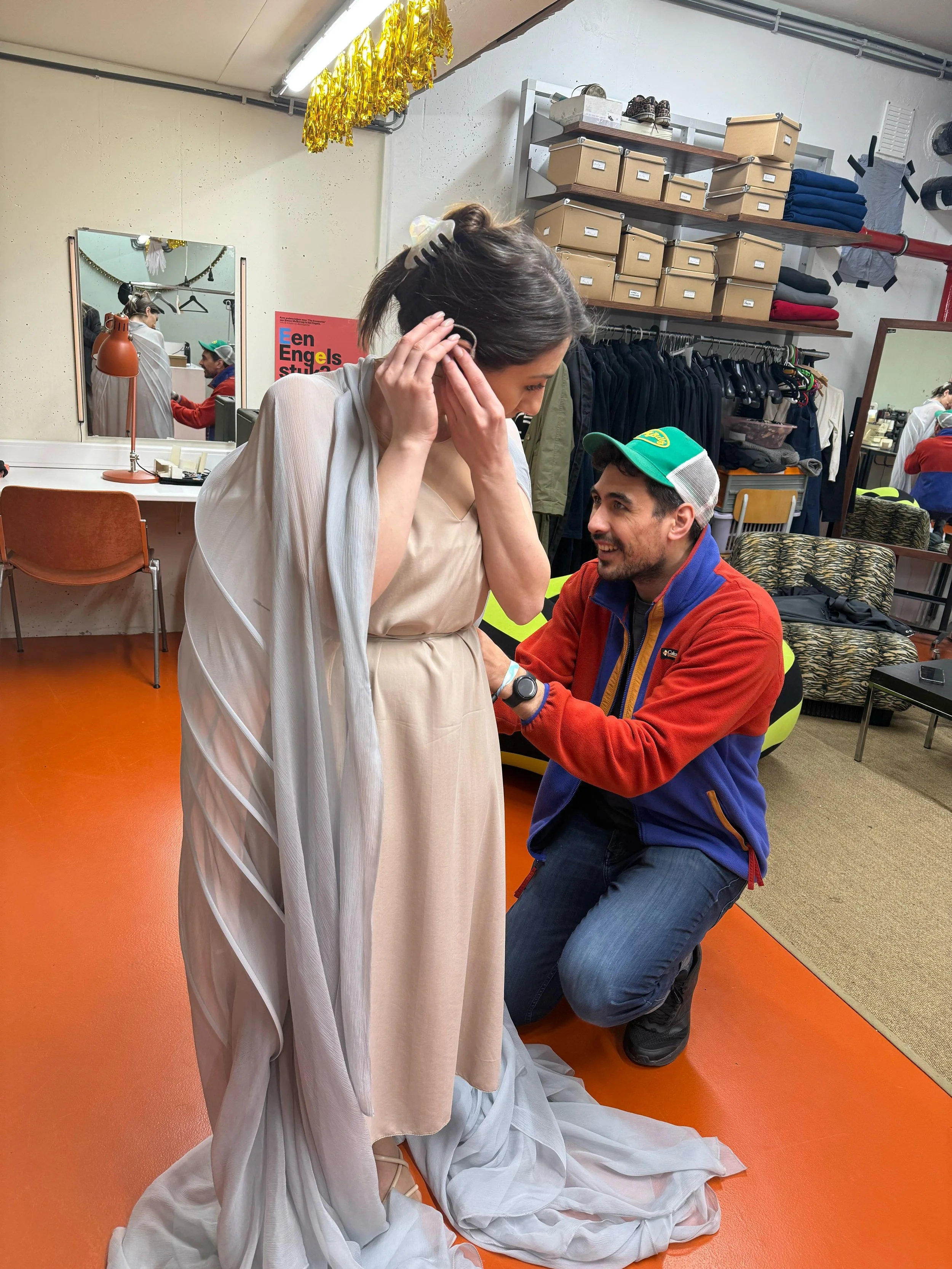
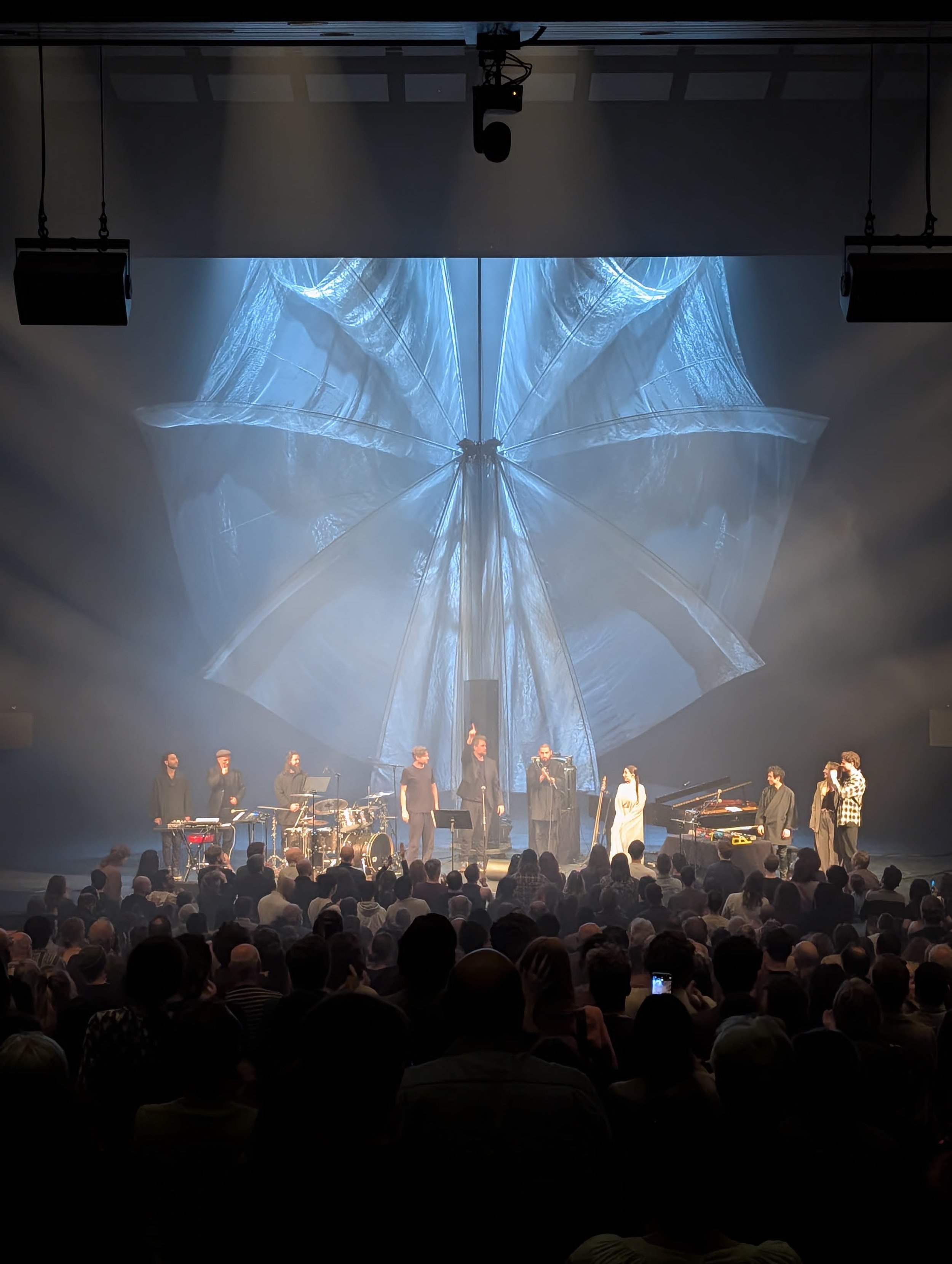
Above the performers, a large kinetic wing structure designed by Boris Acket slowly unfolds, as if a dormant being is reanimated. The monumental bird suggests protection and shelter, but also threat and burden. Its gradual movement favours transformation over spectacle. Annemarije van Harten’s costumes echo this sense of fragility and passage.
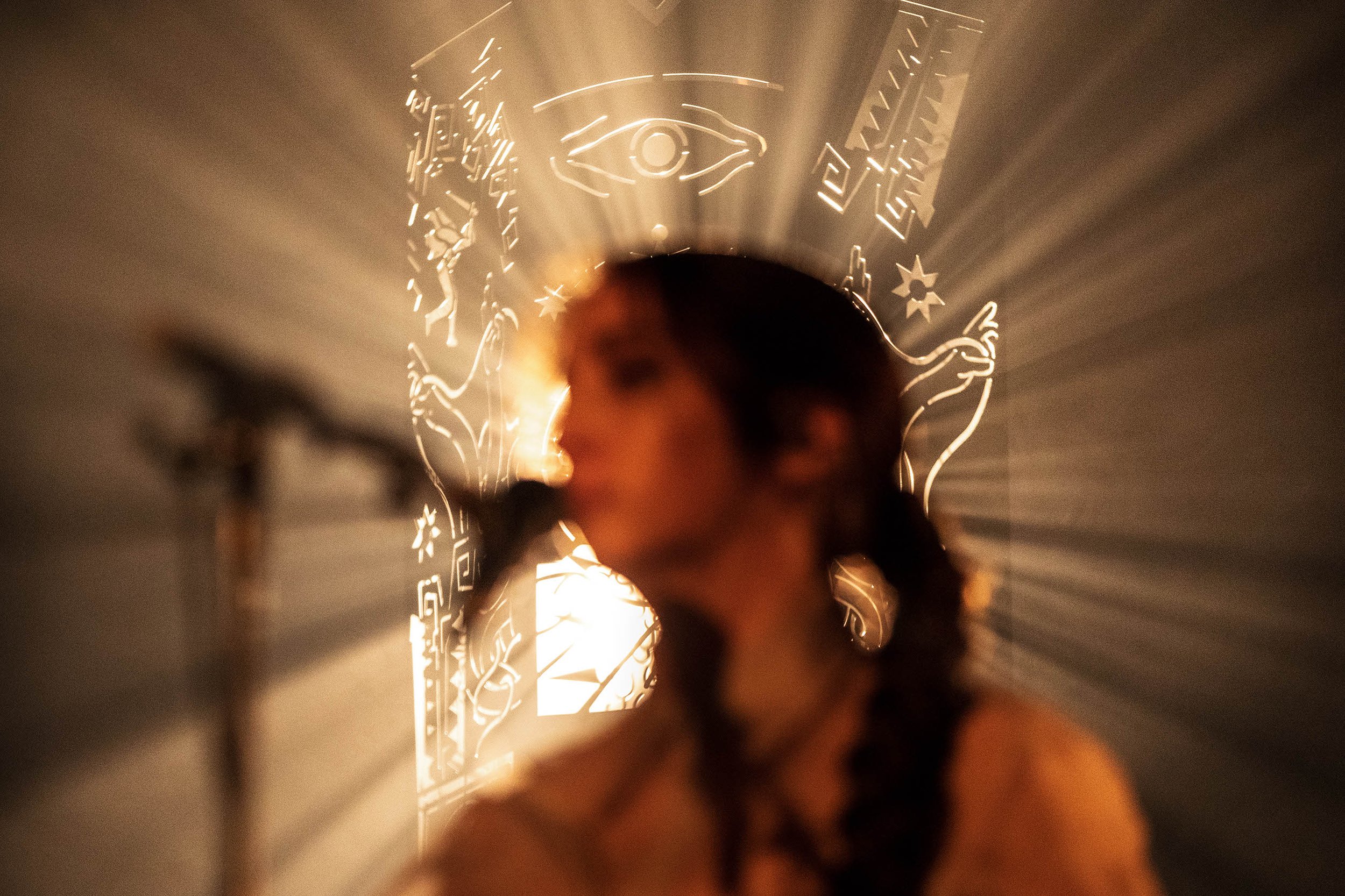
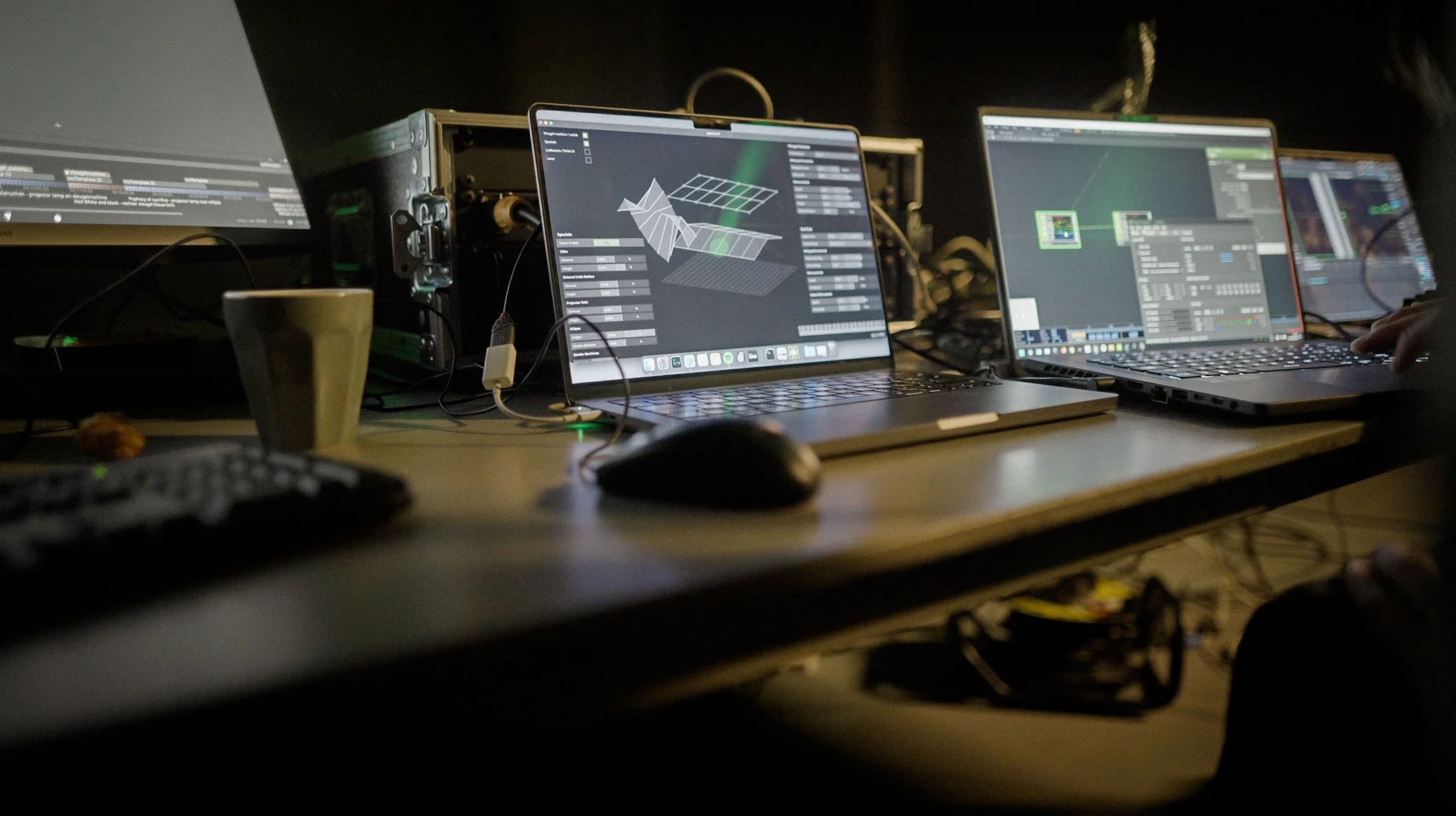
Light functions as a dramaturgical voice equal to sound and movement. A towering light totem shifts between darkness and illumination, projecting shadows across all theatre walls and immersing the audience into the story’s field. In Van Leer’s direction, light reveals and withholds in urgent measure.
Beneath the myth runs a persistent political tension. Hamasyan’s renewed engagement with Armenian cultural history - shaped both by his return to Armenia and by having grown up with jazz in the United States - situates the work within a present marked by displacement and pressure. These realities are not illustrated directly, but felt in the piece: in the silences of the text, in the fractures between sound and light, and in the recurring question of what happens when a voice is lost and what it takes for it to return.
For Van Leer, the work does not deliver a message. It creates conditions for listening. Myth is not preserved as memory of the past, but activated as a structure through which our societies remember, grieve, and imagine renewal.
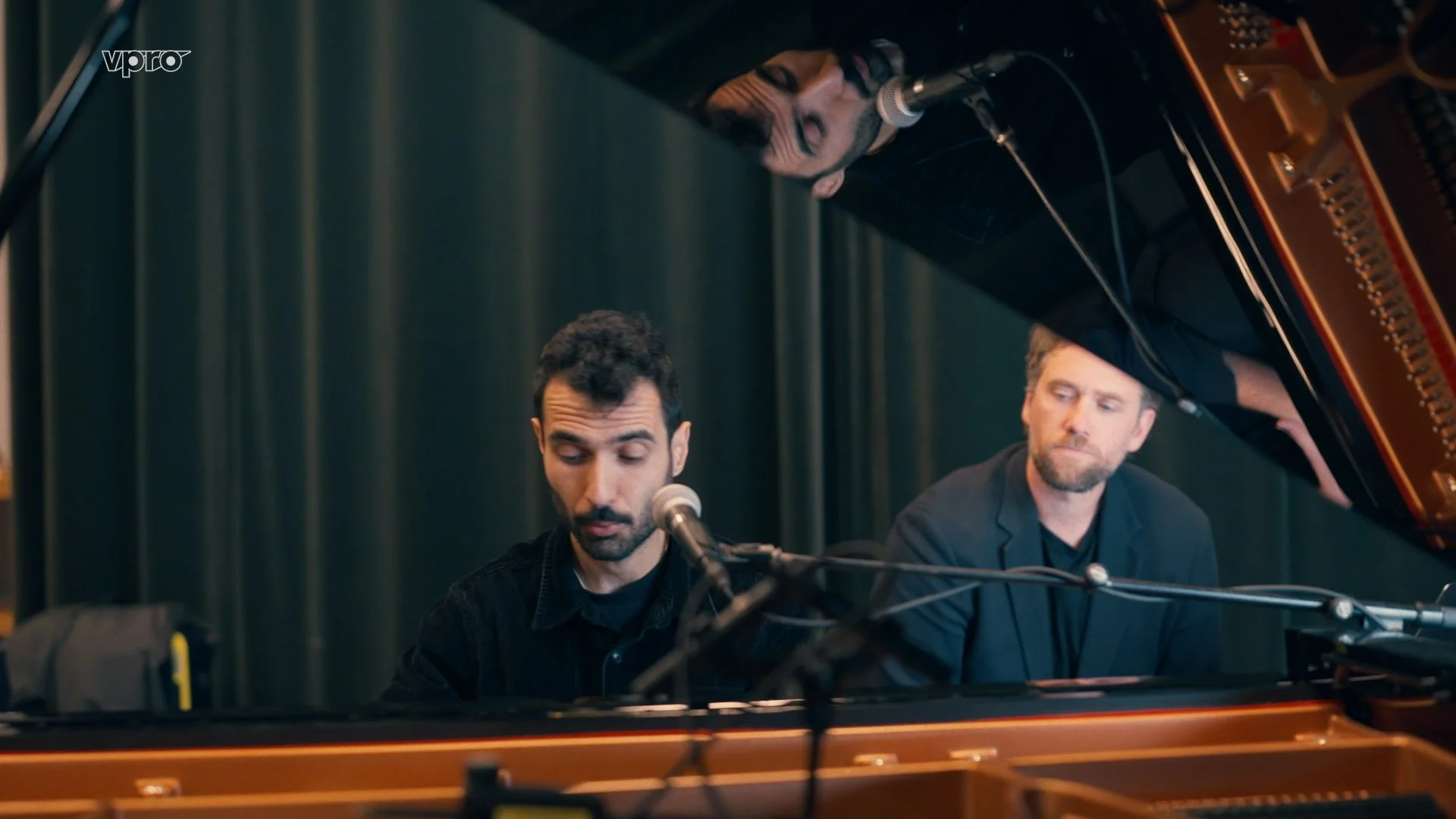
“Once music and storytelling truly fuse, the performance gains wings, carrying the audience smoothly toward a finale in which sound, image, and movement become inseparable.”

“Time and again, a quiet narration, a subtle sound, or a refined lighting gesture gives way to eruptions of imposing music and blinding light, creating a continuous tension between intimacy and force.”
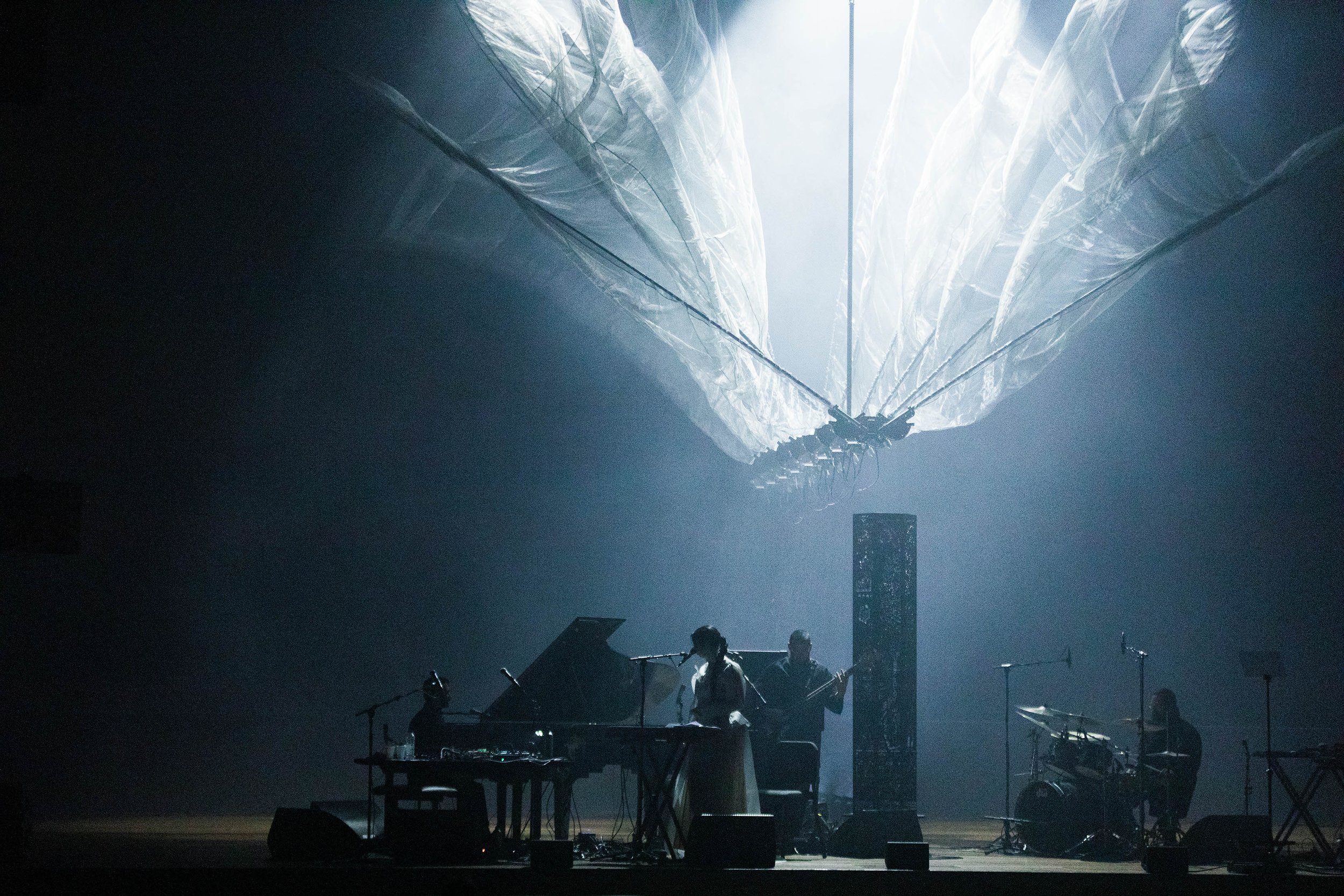
“Avant-garde jazz and rock meet Armenian folklore in a unique symbiotic spectacle.”
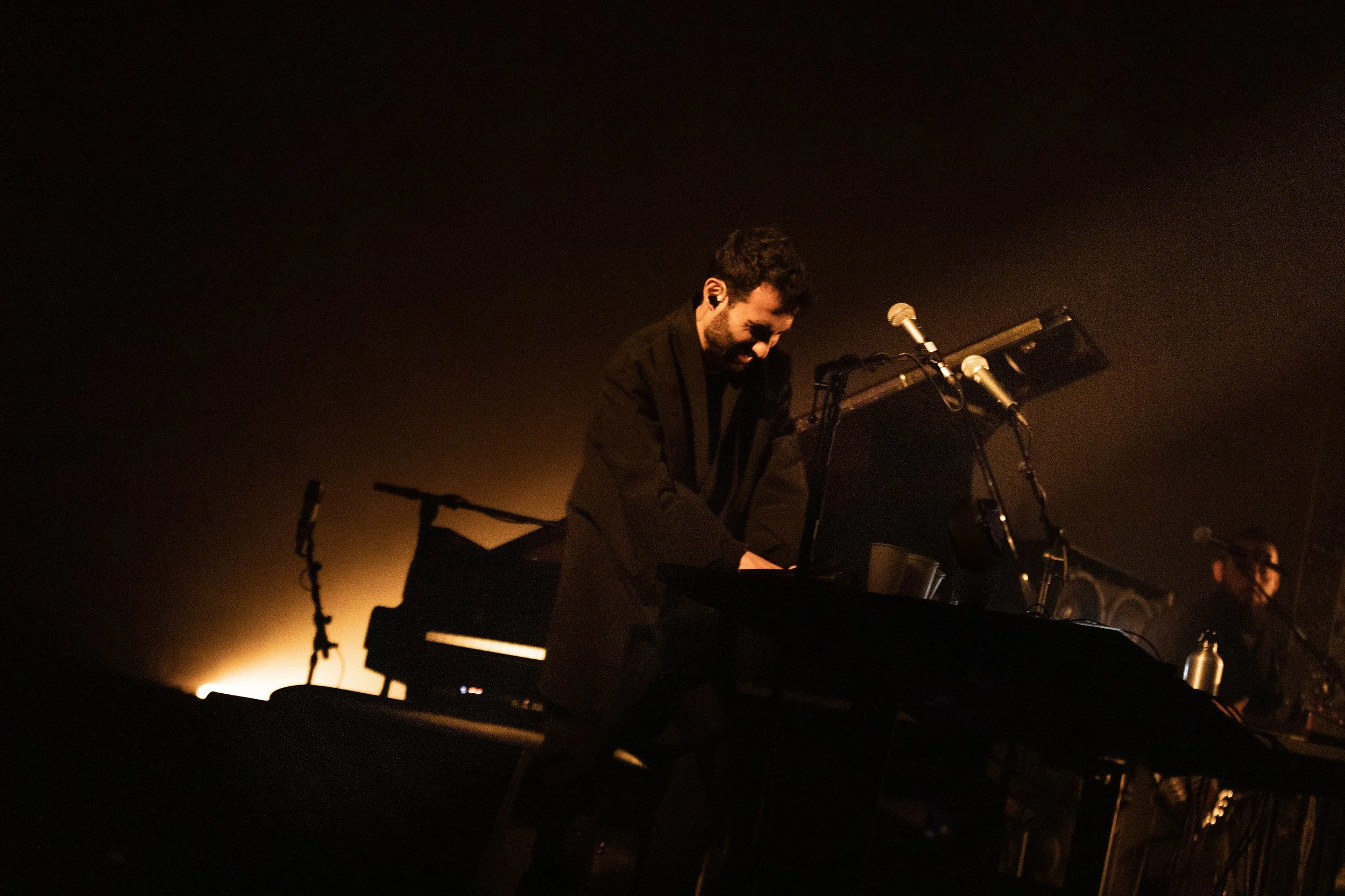
“…brings the mystical bird whose song inspires renewal and self-discovery to life.”
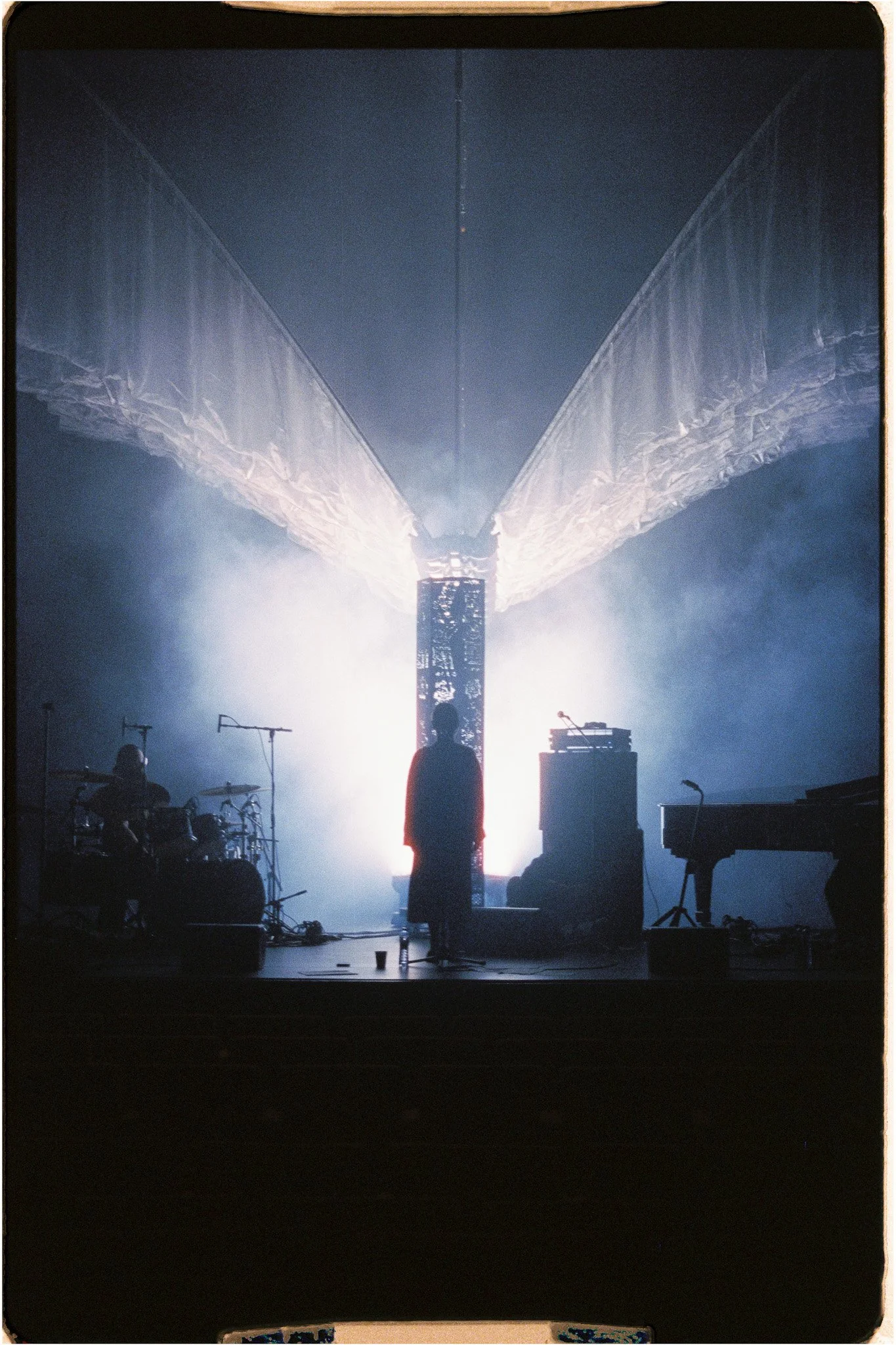
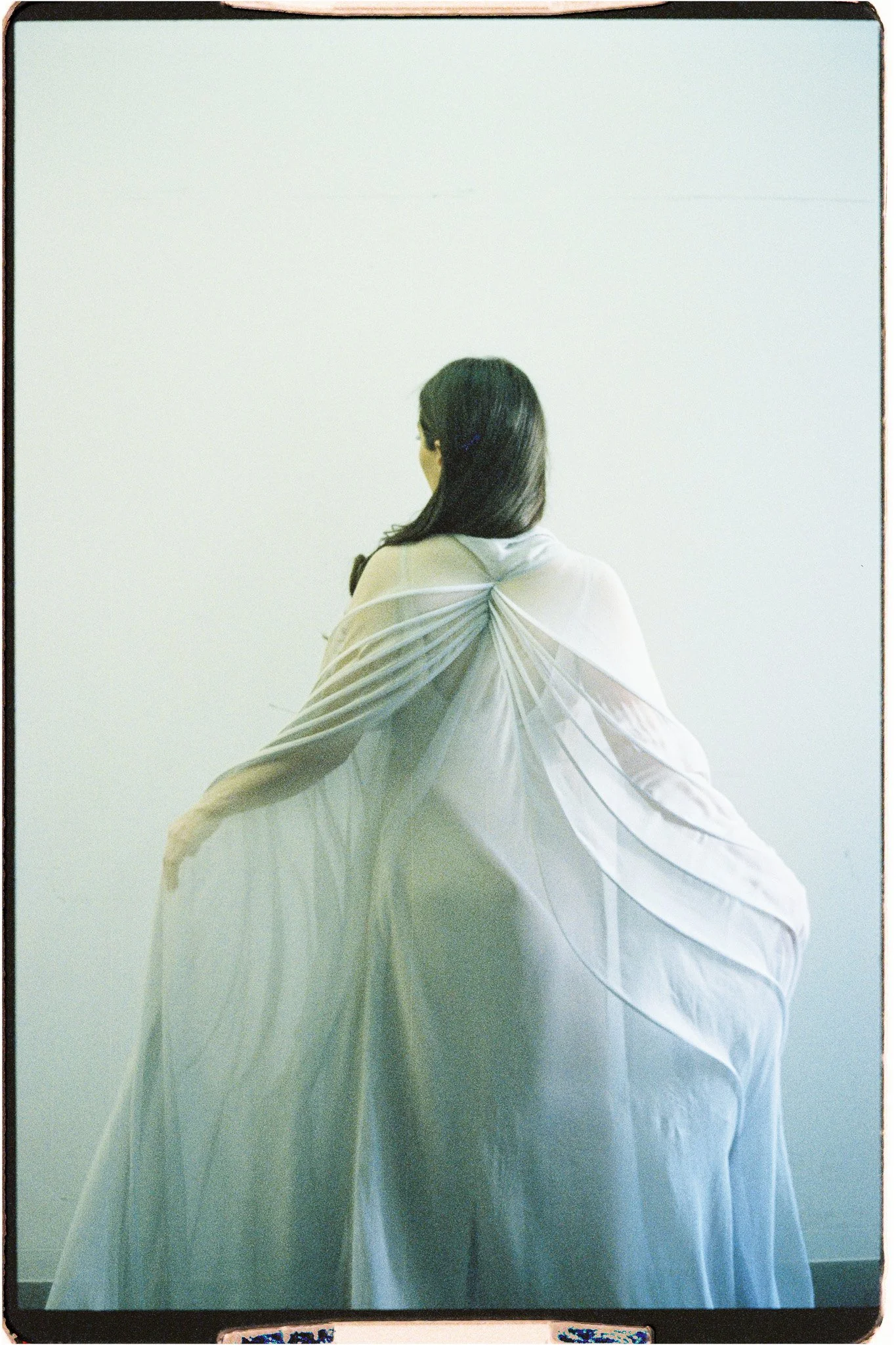
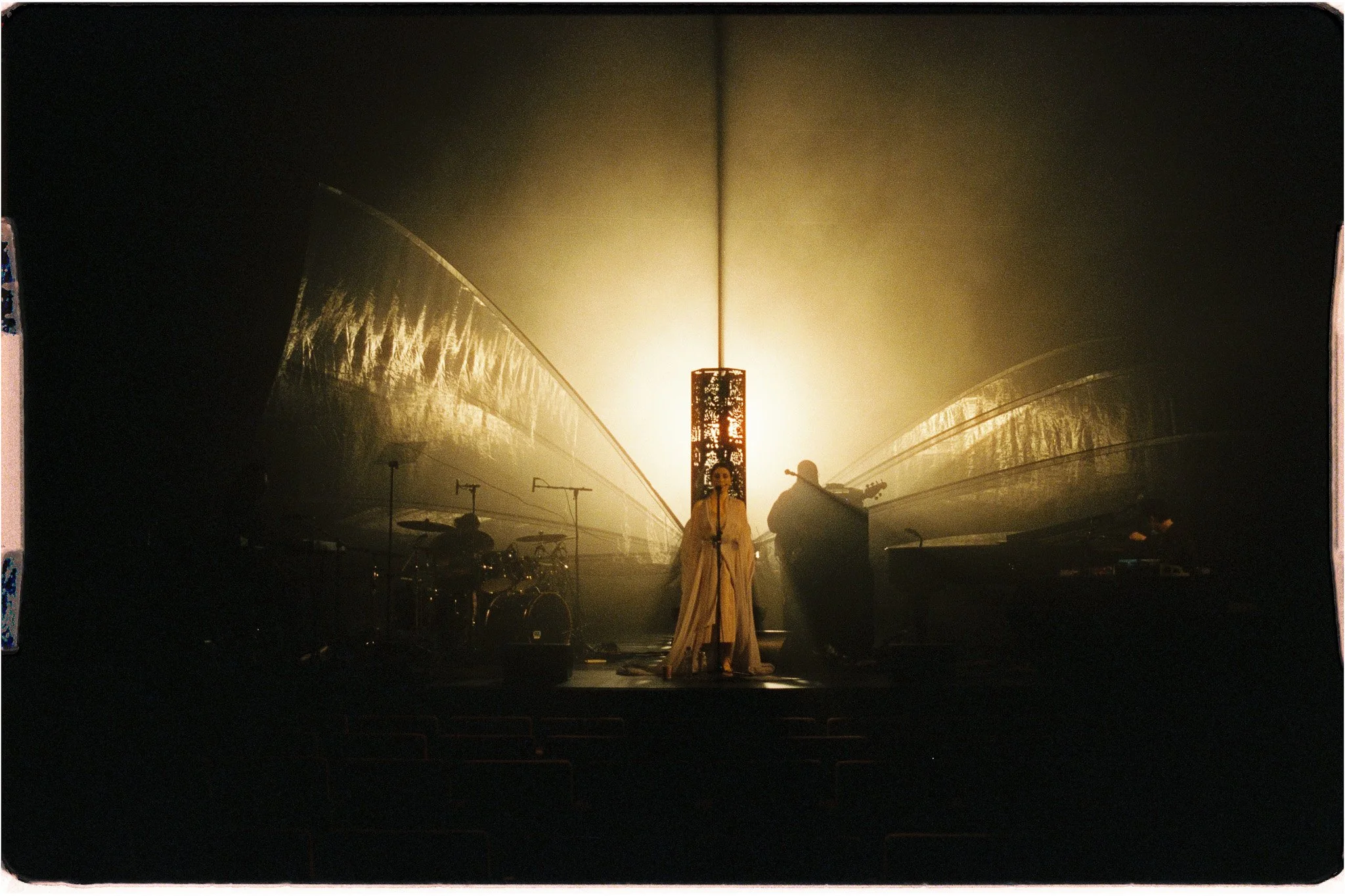
“Its sold-out premiere at the Holland Festival demonstrated how this ancient folktale can be reactivated through contemporary means to reach a new generation.”
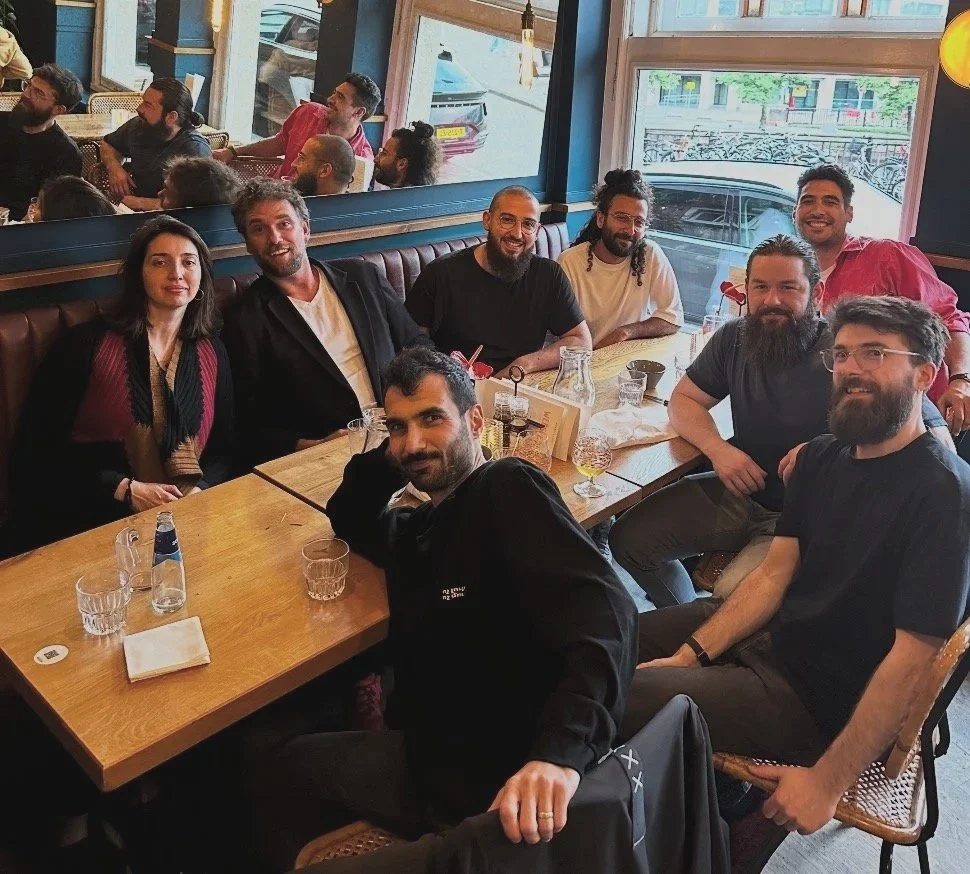

credits
| Direction | Ruben Van Leer |
| Music & Composition | Tigran Hamasyan |
| Scenography | Boris Acket |
| Performance | |
| Vocals & Performance | Areni Agbabian Heghine Khachatryan |
| Keyboards | Yessaï Karapetian |
| Bass | Marc Karapetian |
| Drums | Matt Garstka |
| Creative Team | |
| Dramaturgy & Libretto | Florian Hellwig |
| Costume Design | Annemarije van Harten |
| Black Outfits Design | Maneh Karapetyan |
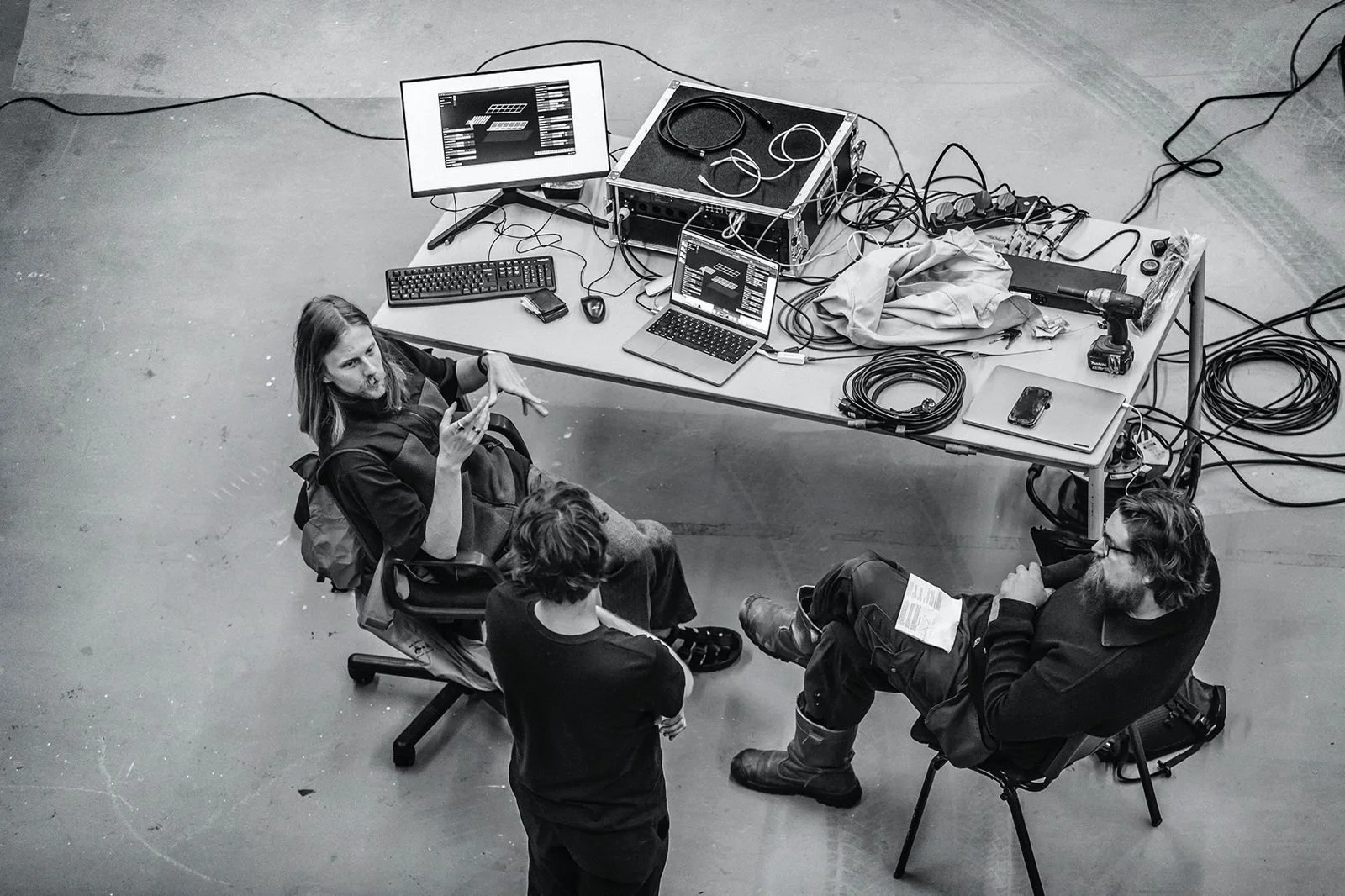
| Creative Engineer | Merijn Versnel |
| Audiovisual Design | Wes Broersen |
| Stage Lighting | Roy van Zon Tom Visser |
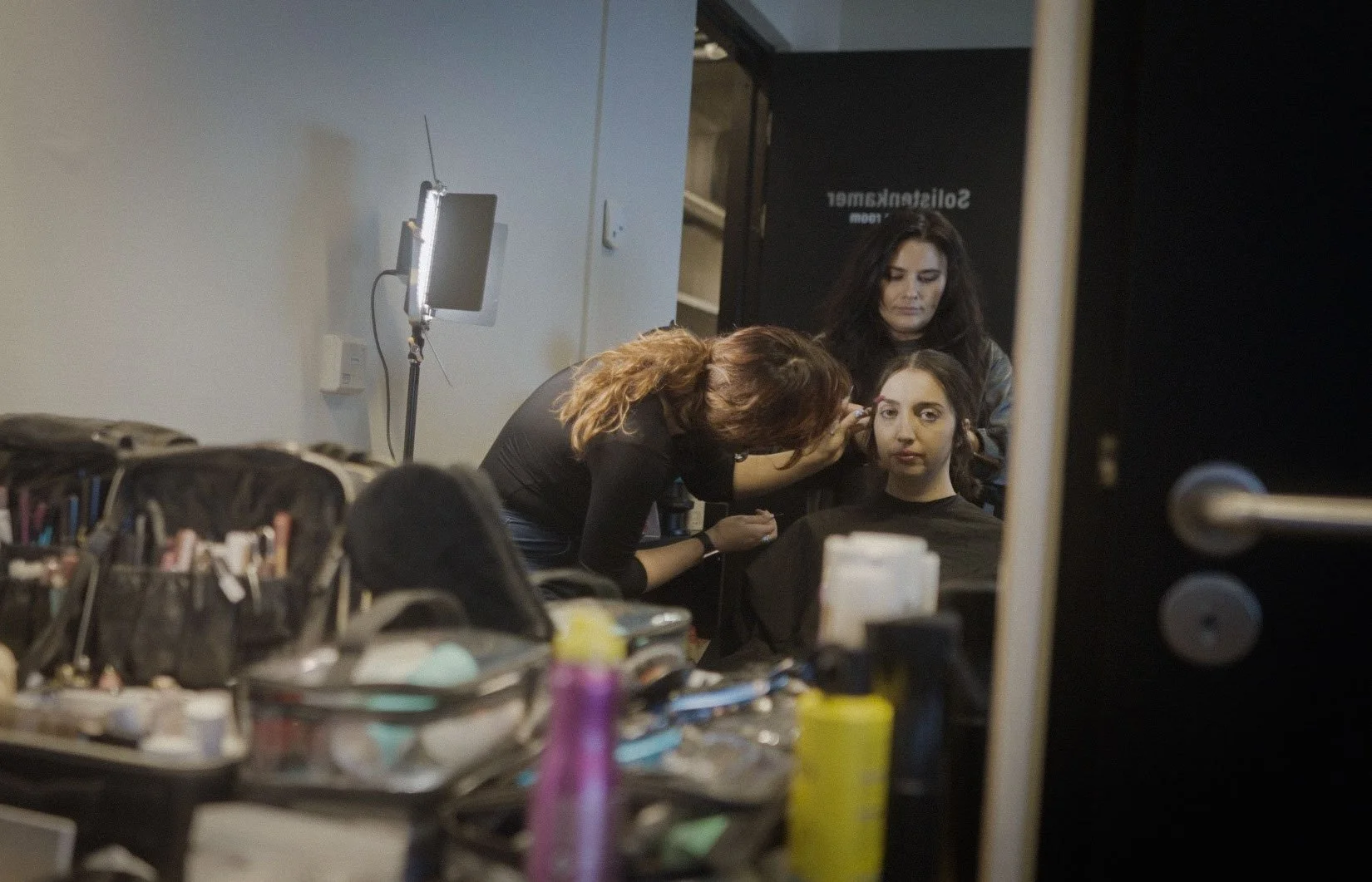
| Hair & Make-up | Magdalena Loza Anastasia Pyzhyk |
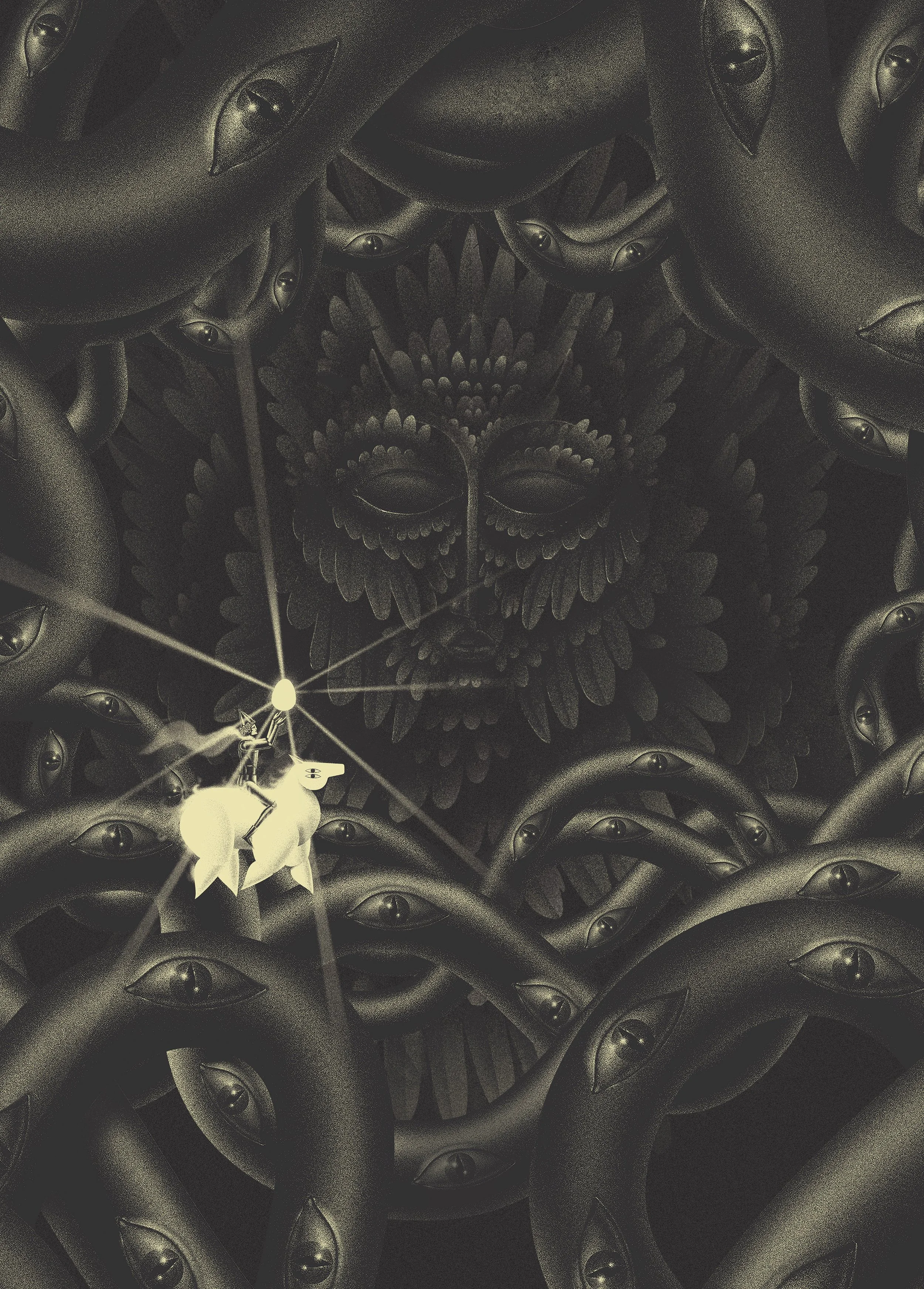
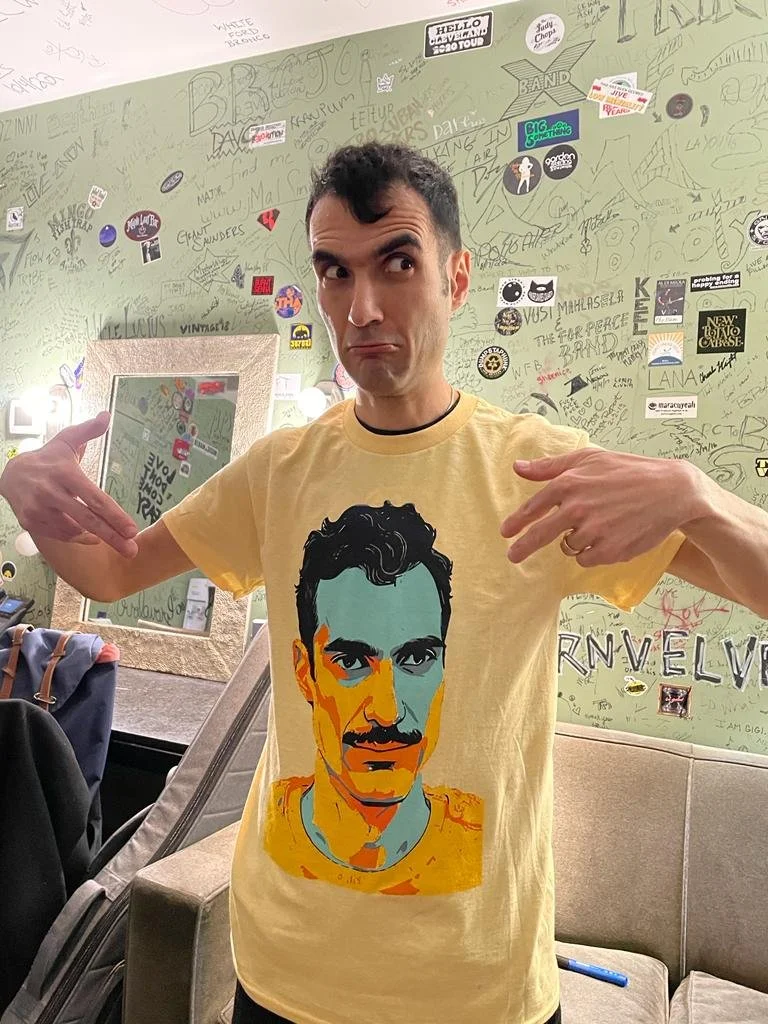
| Illustration | Khoren Matevosyan |
| Concept Drawings | Tsegaw Tesfa |
| Media | |
| Photography | Alex Avgud & Eva Solomonova |
| Technical | |
| Sound Engineer & Tour Manager | Arie van der Poel (Chuckwalla Sound) |
| Source Material | |
| Original Text | “Hazaran Blbul” – Armenian folk tale Version by poet Serine |
| Production | |
| Executive Producer | Ruben Van Leer |
| Co-production | Holland Festival |
| Produced by | Truth.io Yergatun |
| Support | |
| Supported by | Creative Industries Fund NL Mondriaan Fund The Amsterdam Fund for the Arts Hovnanian Foundation |
| With Thanks to | Holland Festival Pascal Pilorget – Gsteps Tom Korkidis – New Village Management |
filmmaker & media-artist