Non Solo Medea
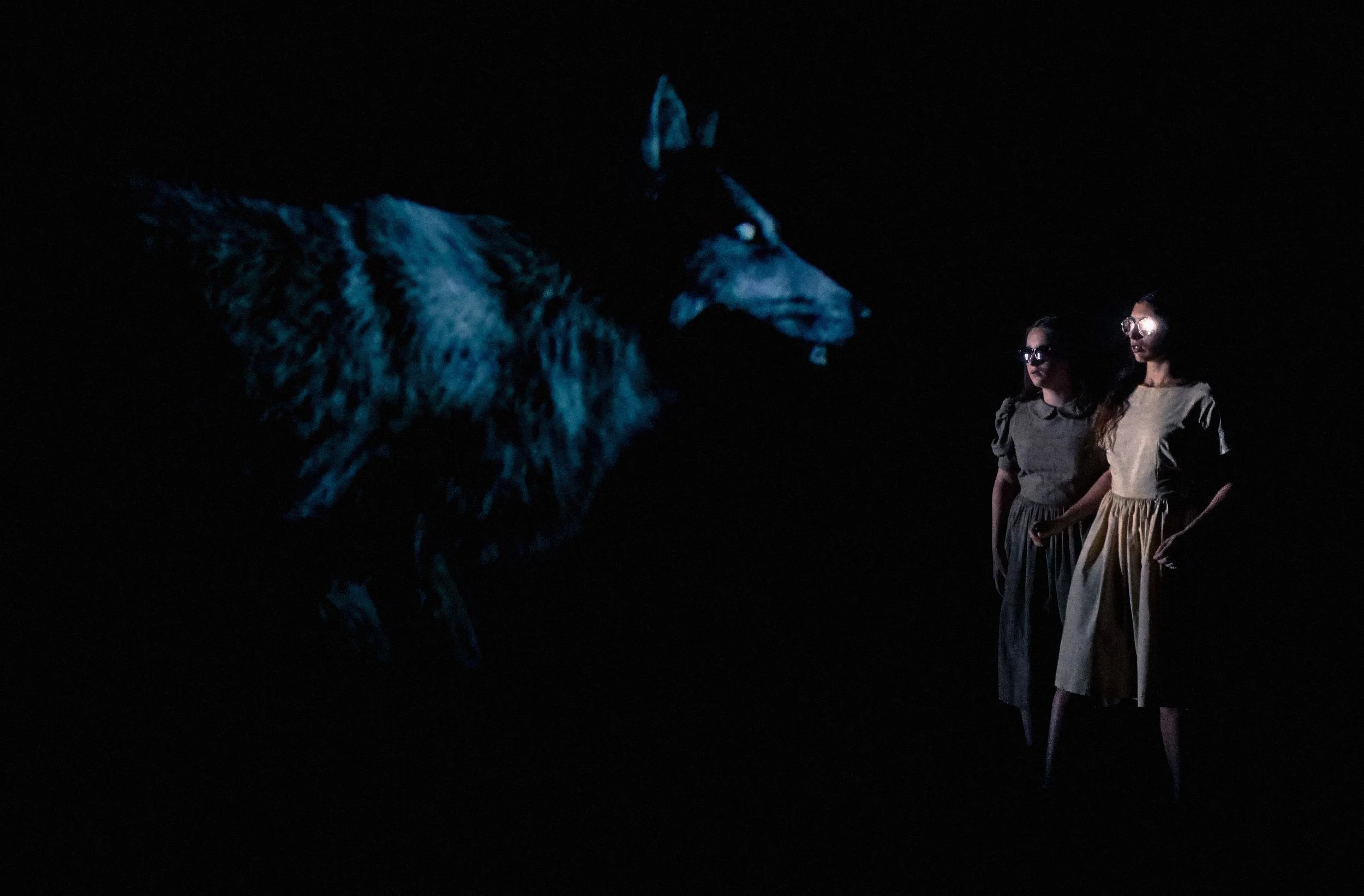
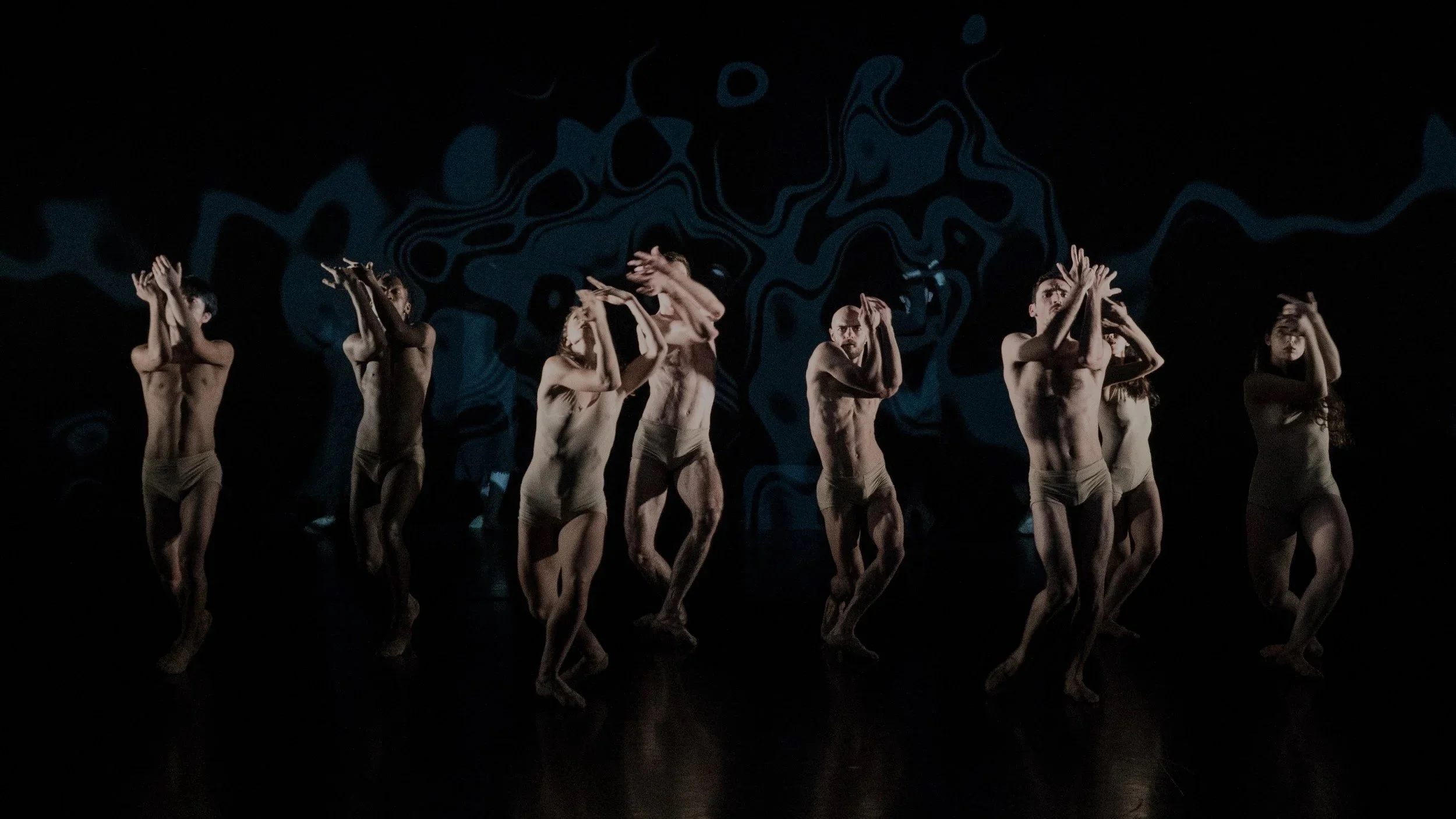
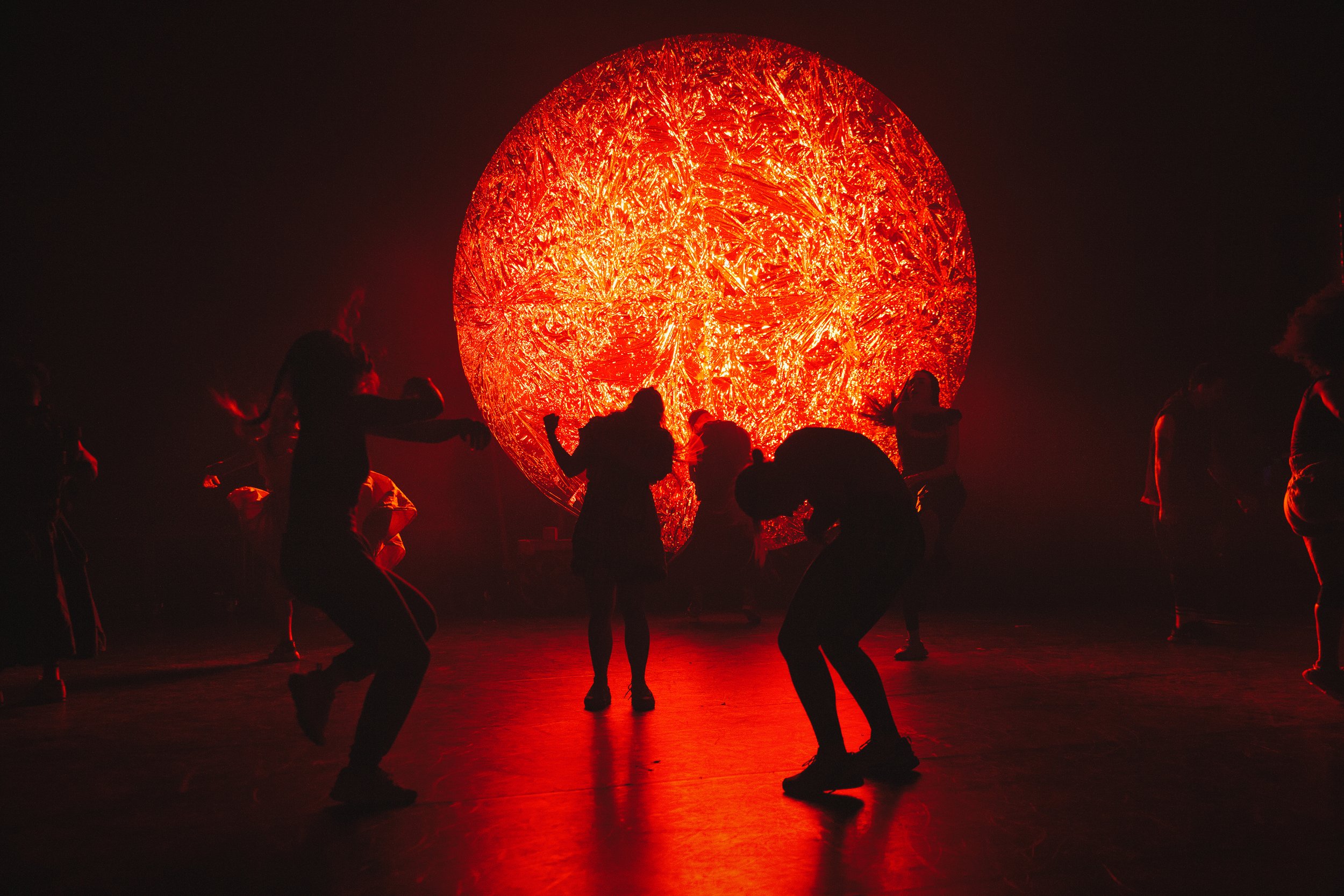
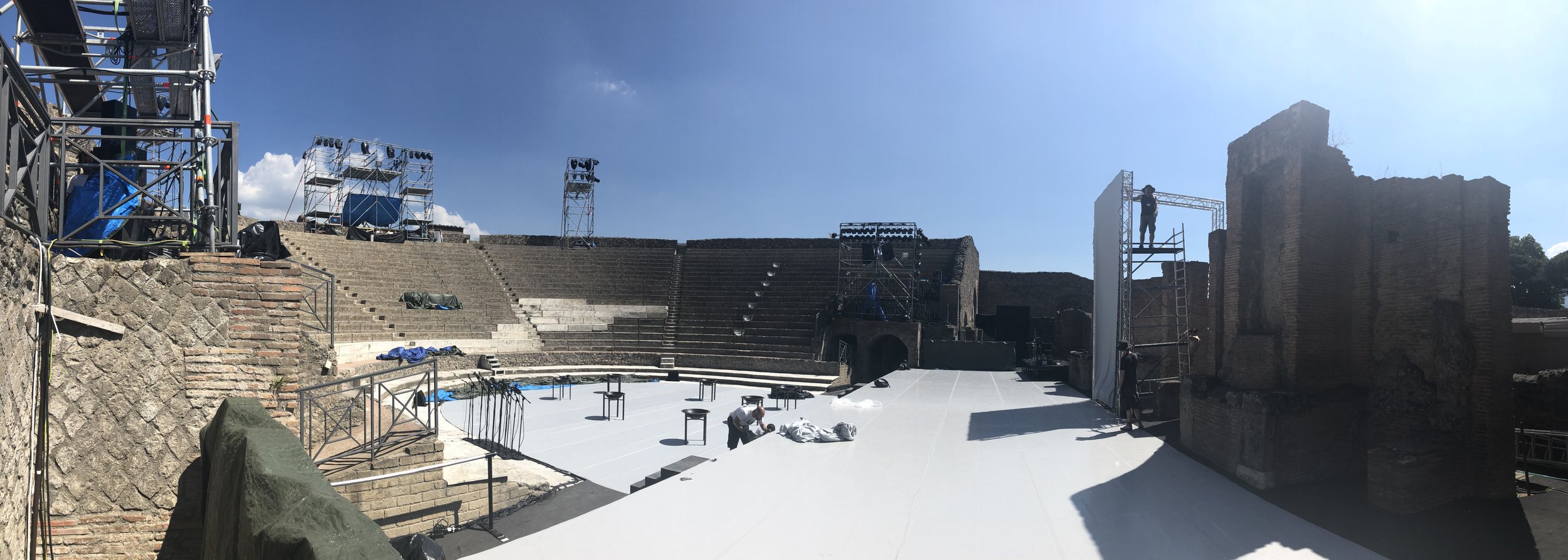
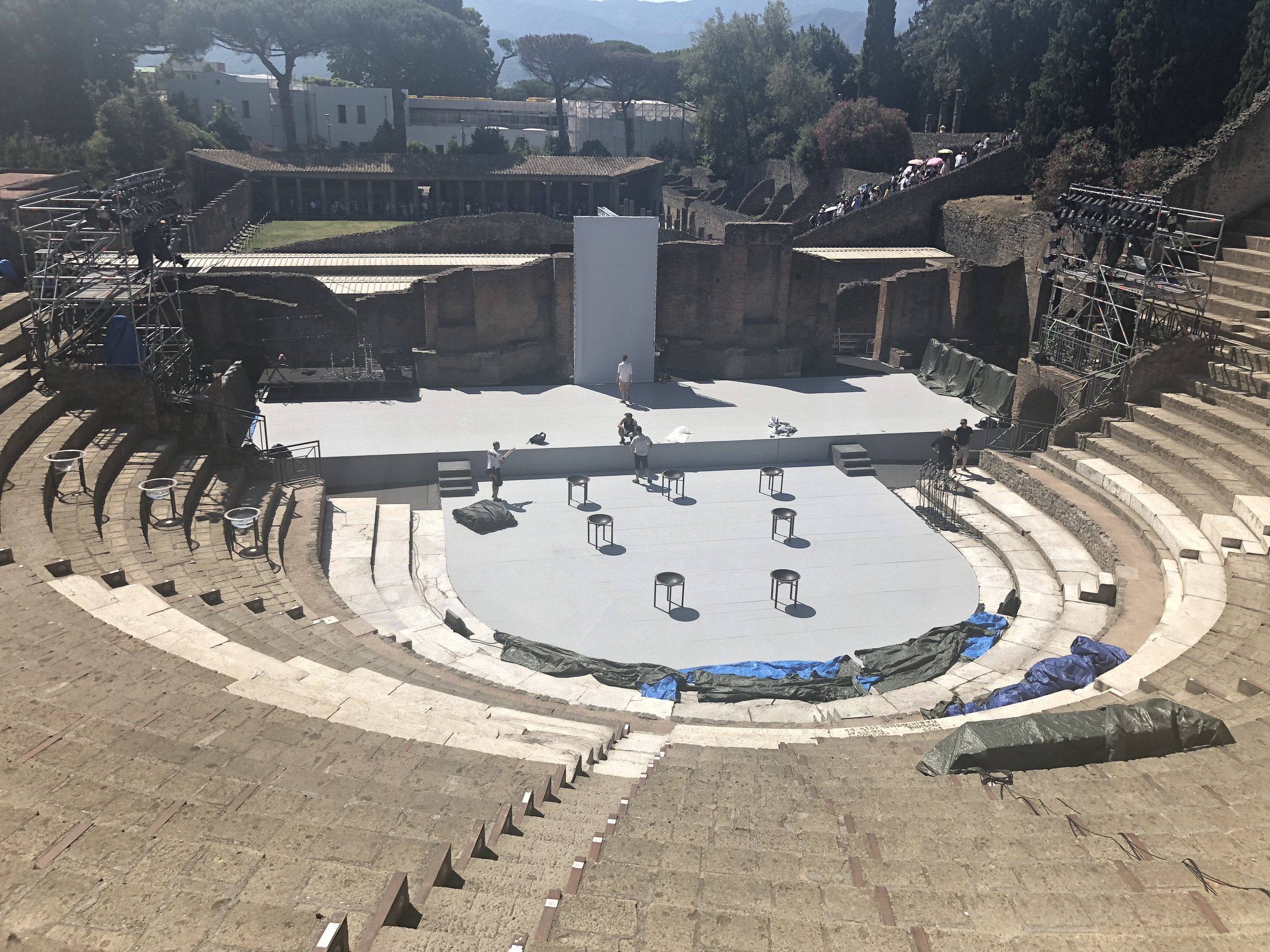
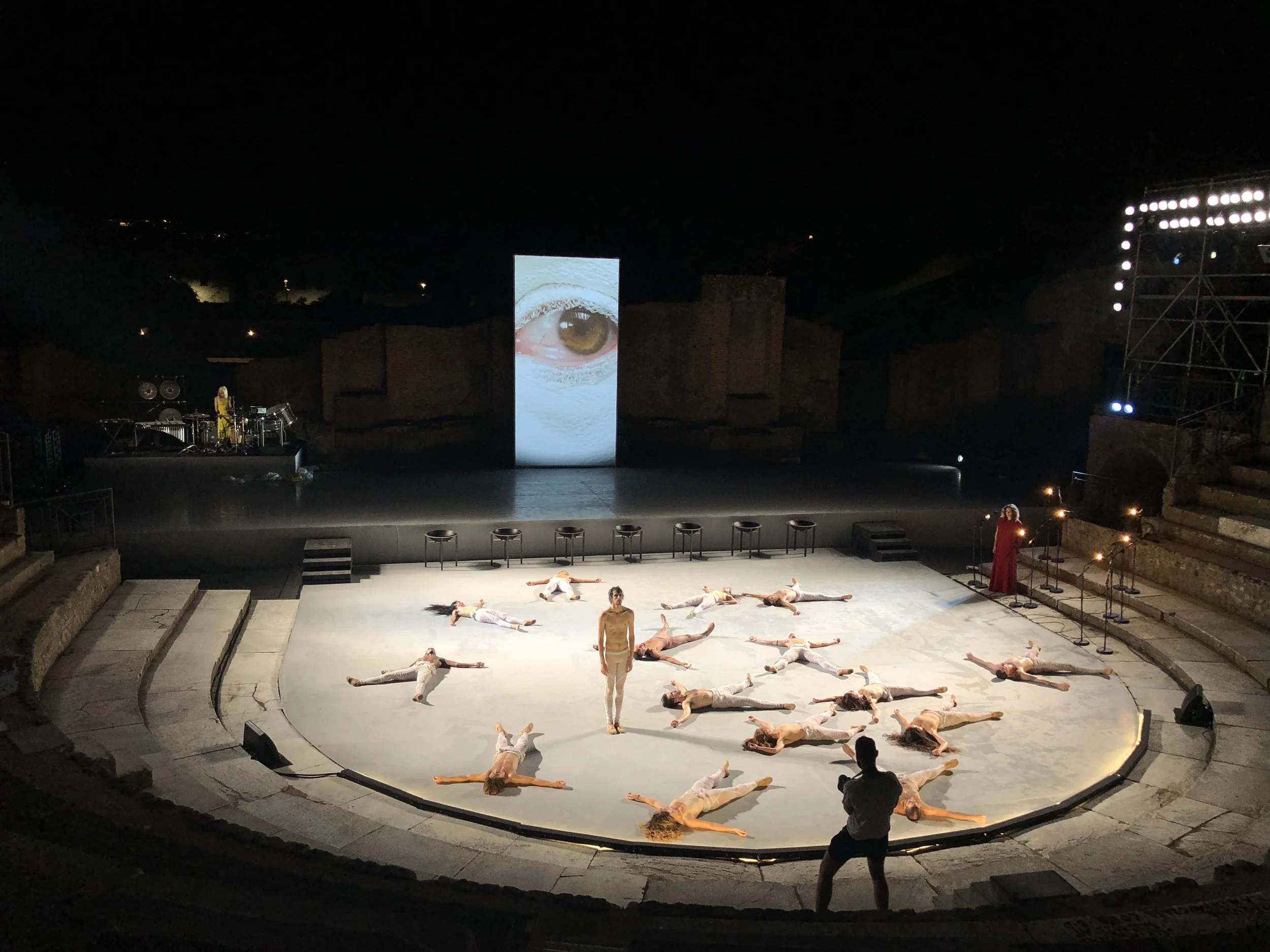
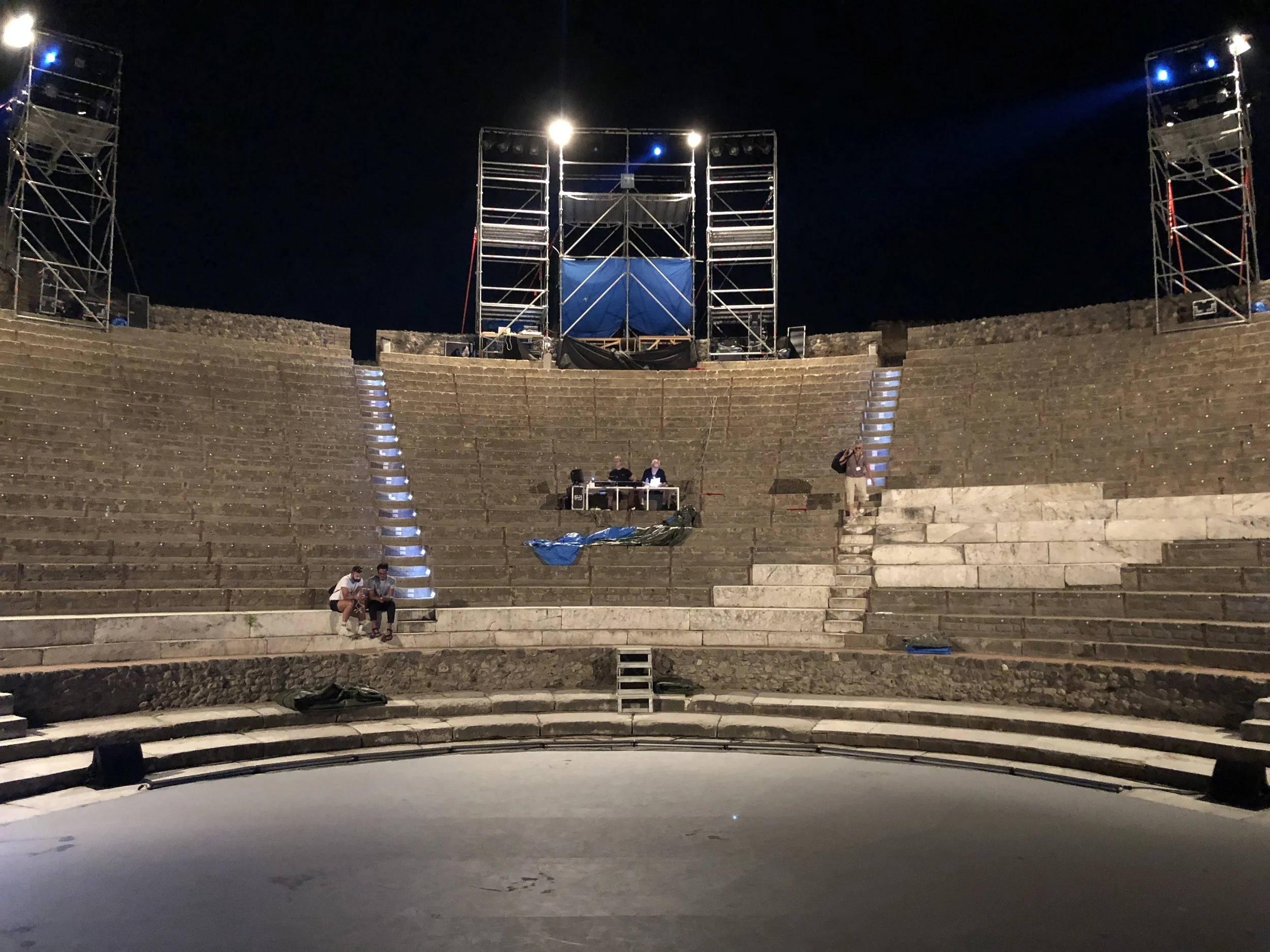
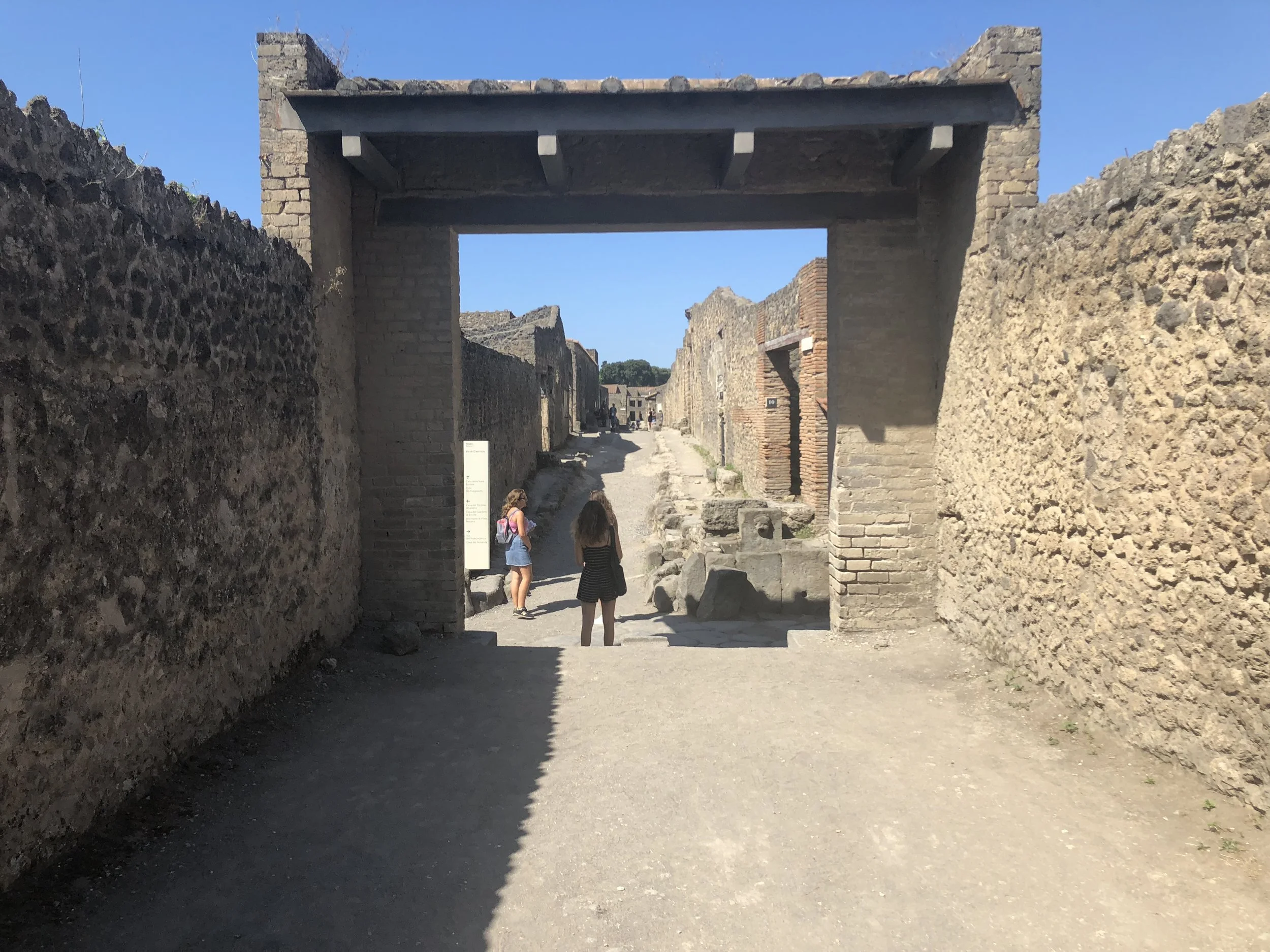
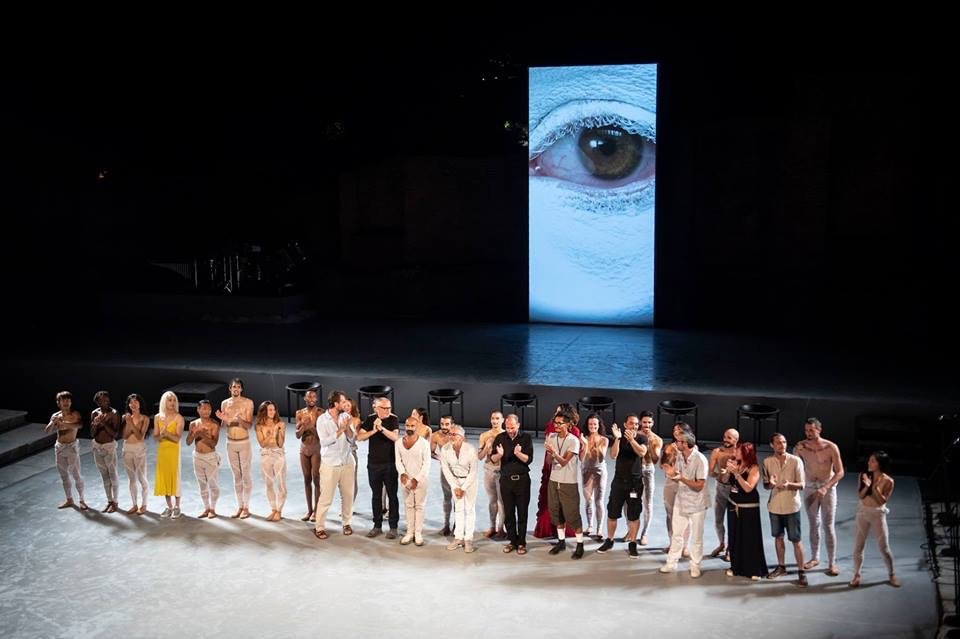
Non Solo Medea is a dance opera performed live at the oldest active theatre in Europe: Teatro Grande in Pompeii featuring filmic scenography by Ruben Van Leer. Ancient Greek tragedy meets eighteen dancers, live percussion, and the ruins themselves as stage.

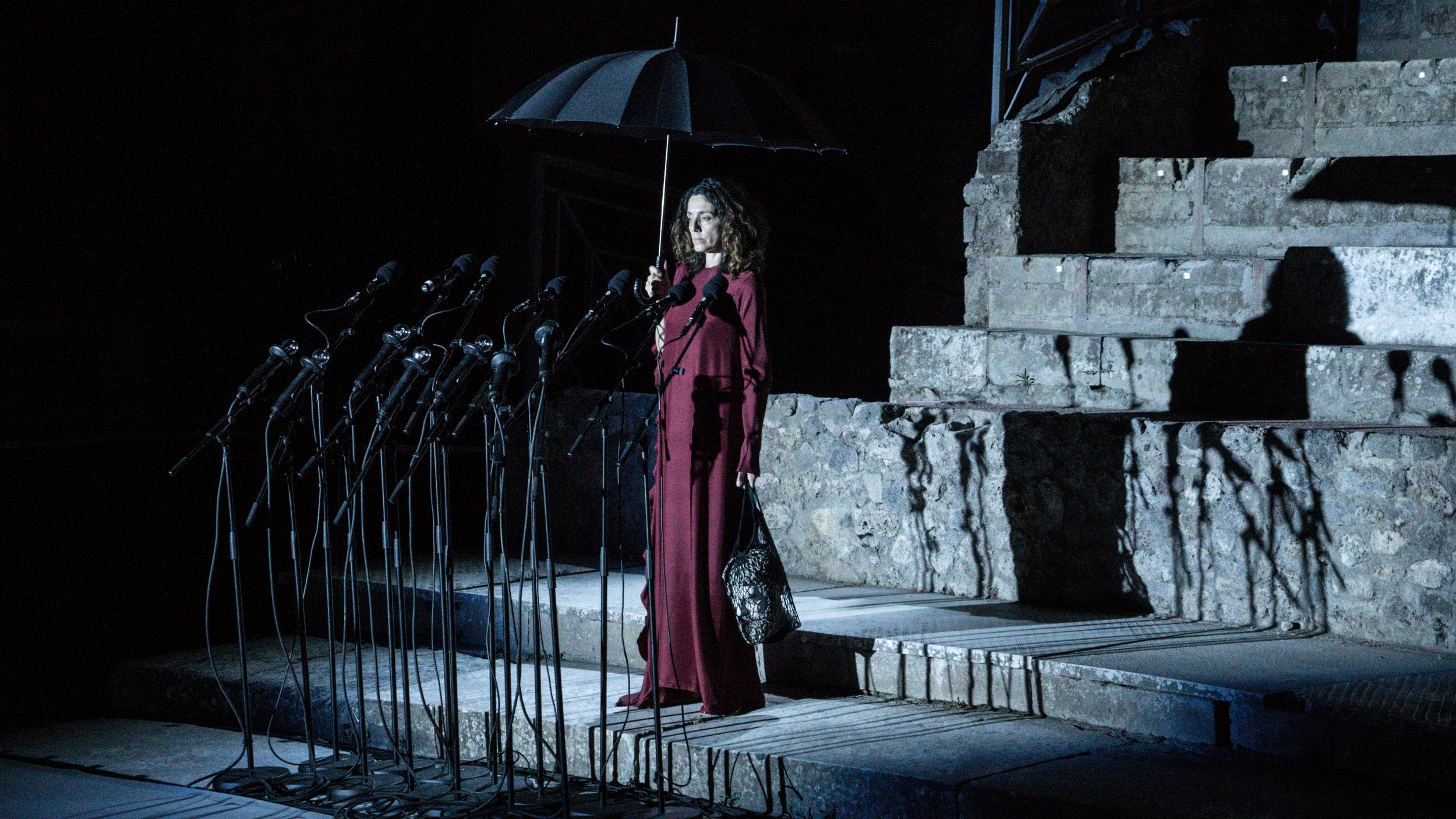
“Medea is a half-goddess, a kind of witch, who lives in exile. She is a foreigner, we could say a migrant today. Her characteristic is that she fights her destiny, she seeks to take control of her life by all means, including infanticide.”

where the past refuses to stay past
The ruins of Pompeii are already a kind of theatre: a city arrested mid-breath, preserved in the exact moment of catastrophe. To perform inside them is not to use a backdrop. It is to enter a space where time has collapsed, and where the boundary between the ancient and the present is already thin.
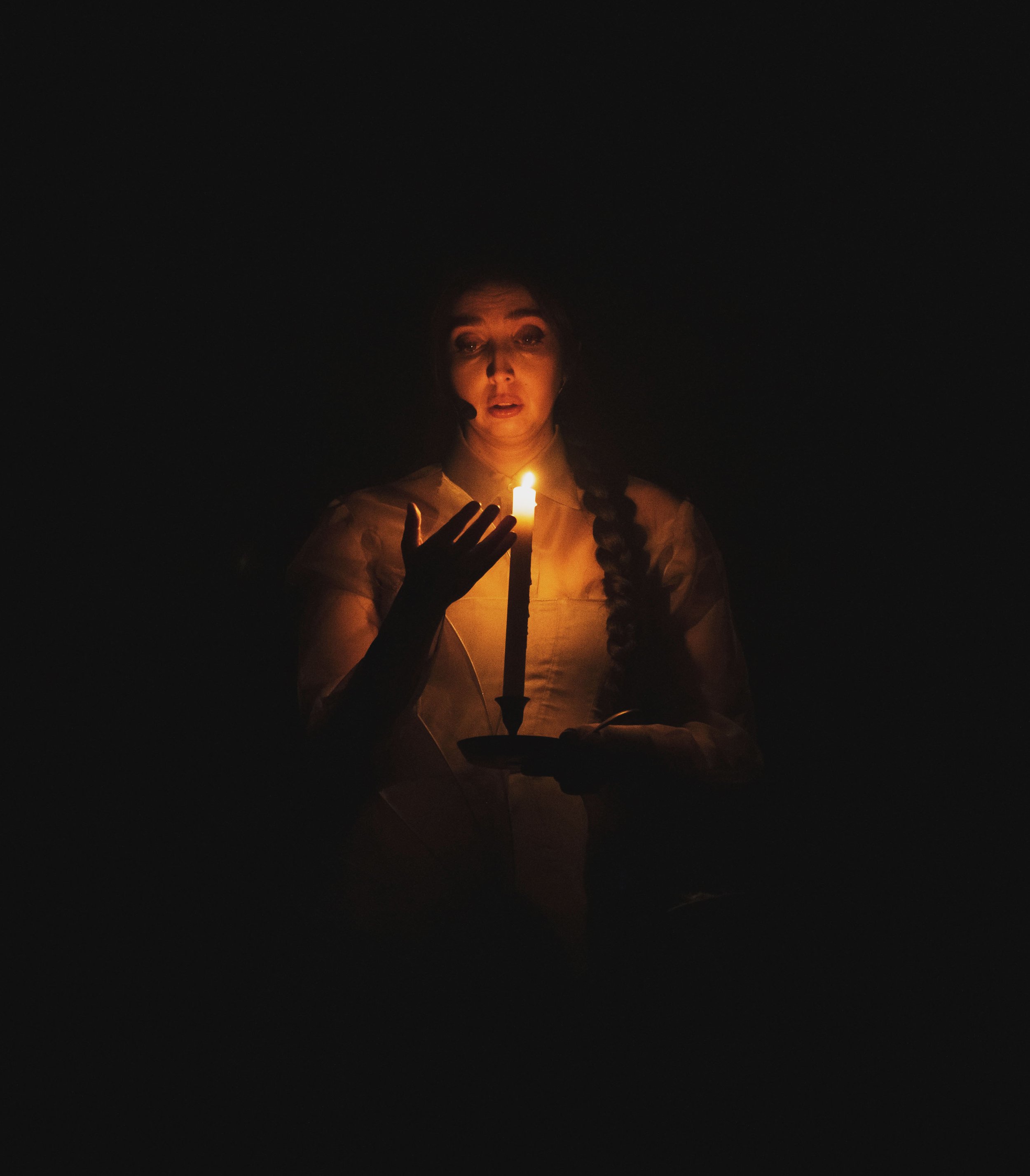
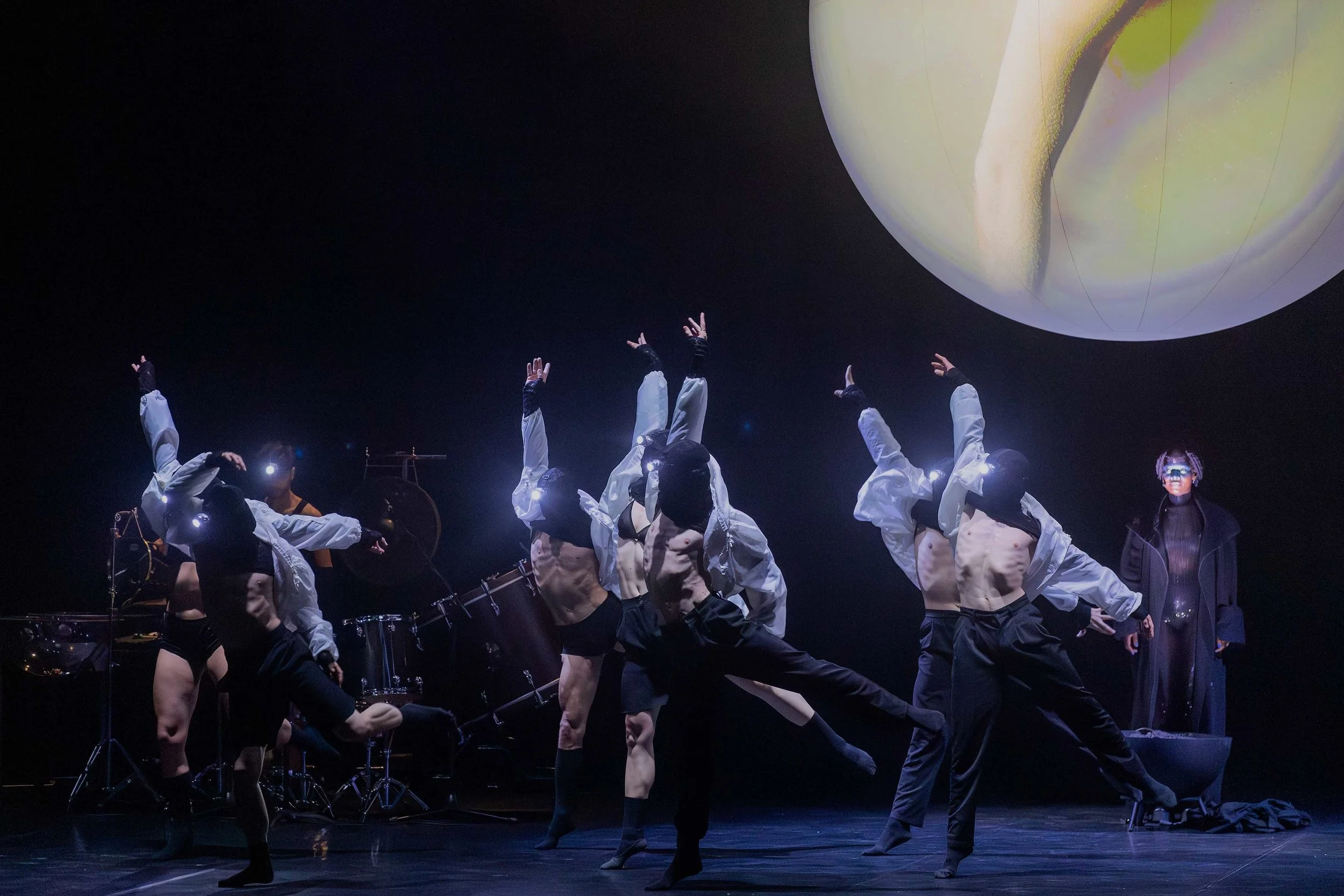
Non Solo Medea moves through that space in seven acts: exposure, rejection, awareness, regret, acceptance, revolt, and outcome. Actress Manuela Mandracchia inhabits a succession of figures from Greek tragedy Antigone, Oedipus, Medea, Iphigenia and drawing monologues from Sophocles, Euripides, and Jean Anouilh that surface not as historical texts but as living speech. Against her words, eighteen dancers of the Ballet National de Marseille respond with their bodies, in dialogue with percussionist Flora Duverger. The music moves between Beethoven, Mahler, and Pink Floyd; a range that is not eclectic but deliberately disorienting, refusing any single era as a frame.
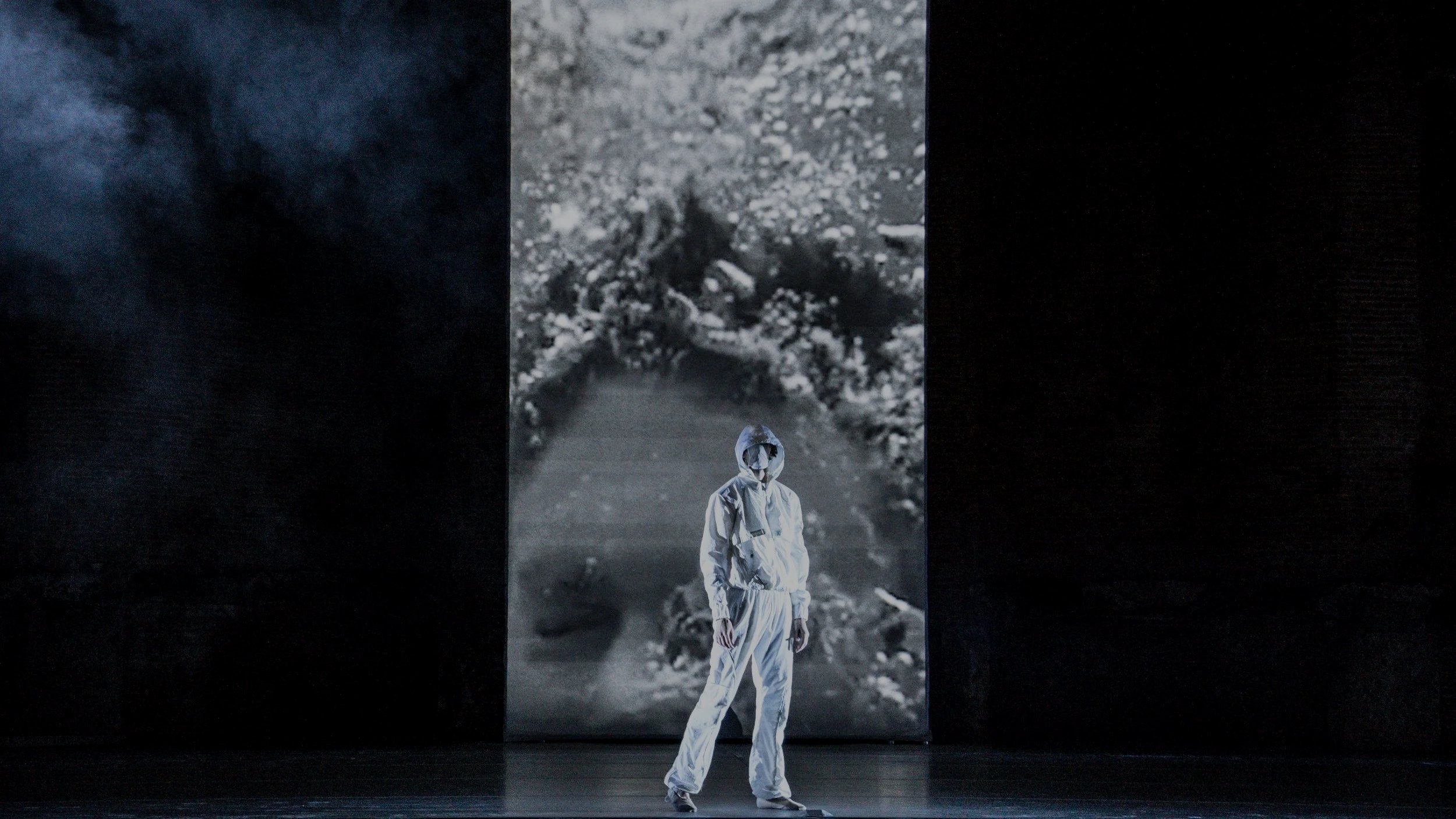
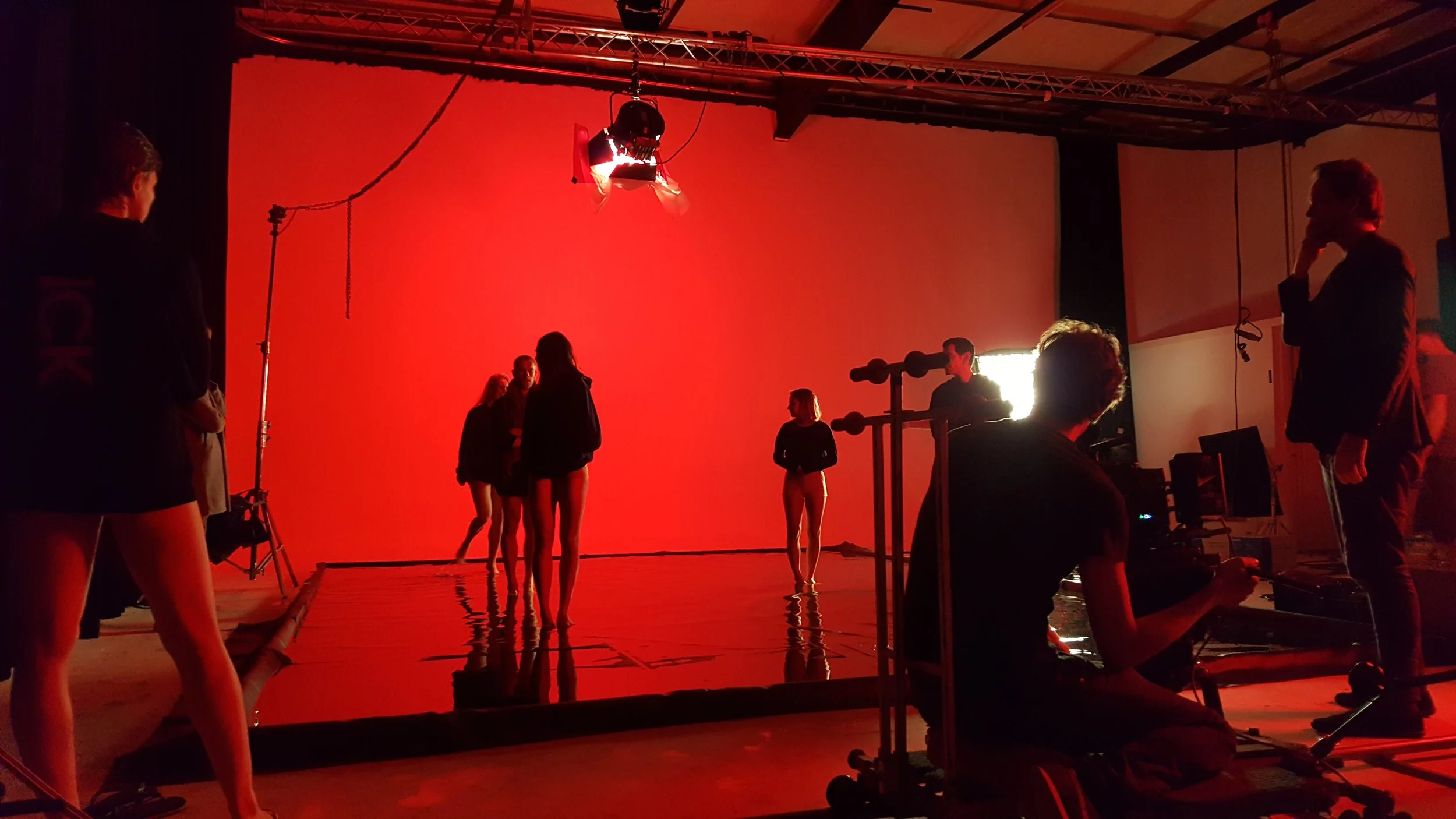
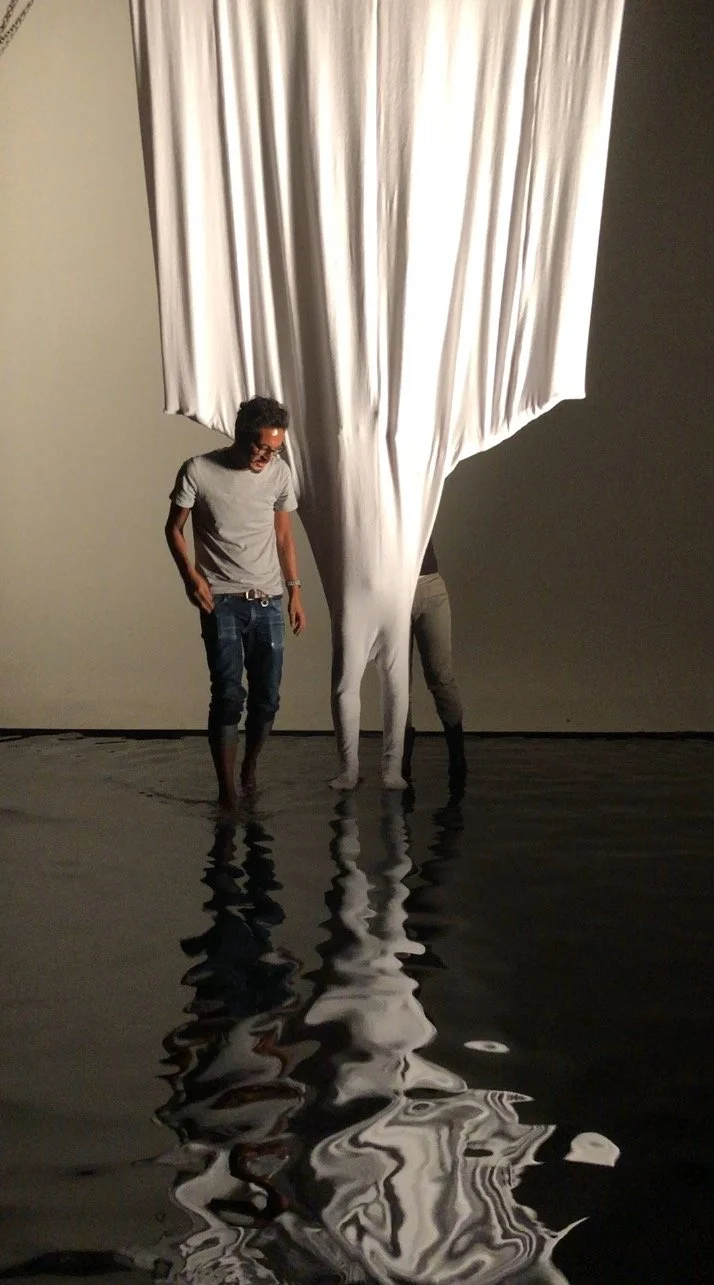
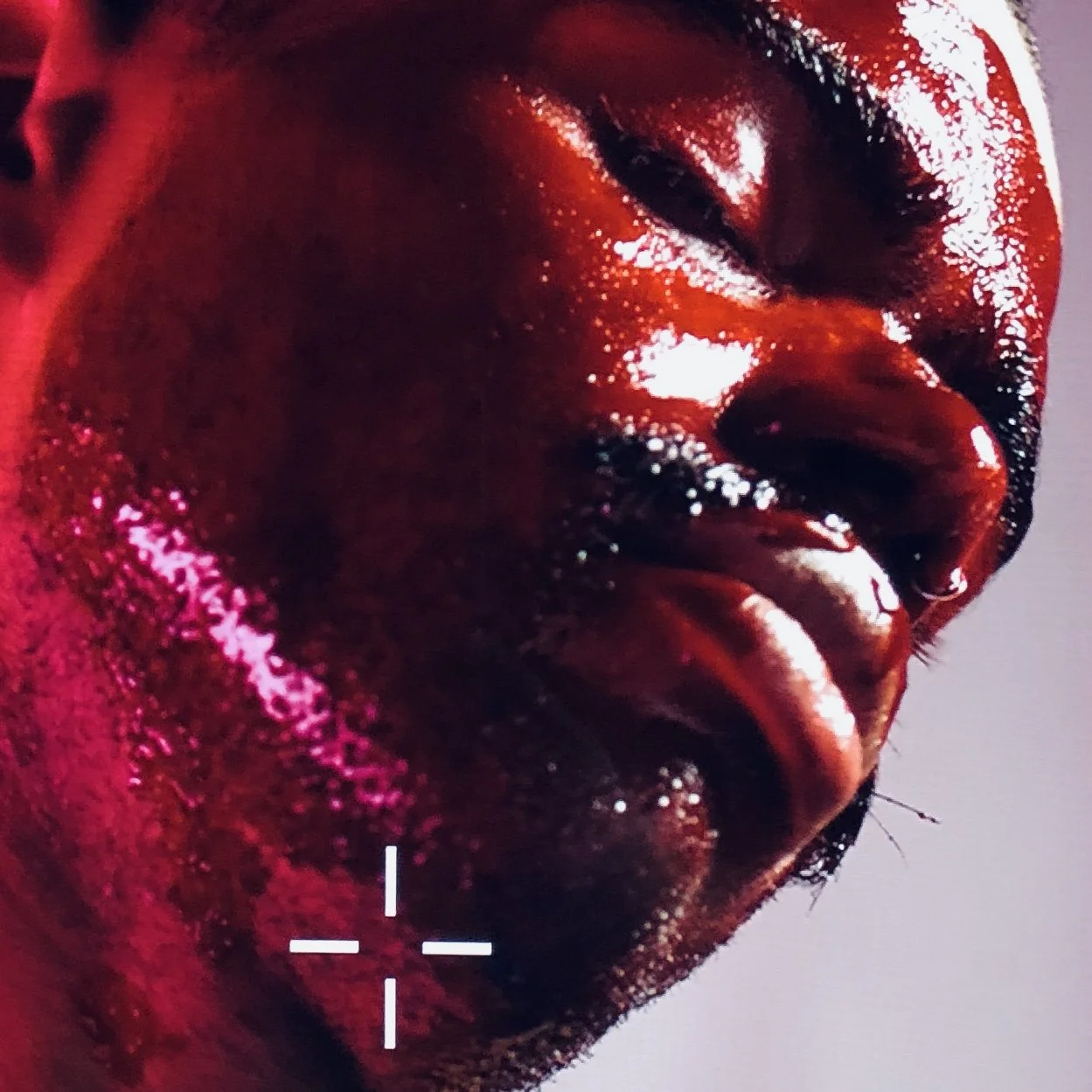
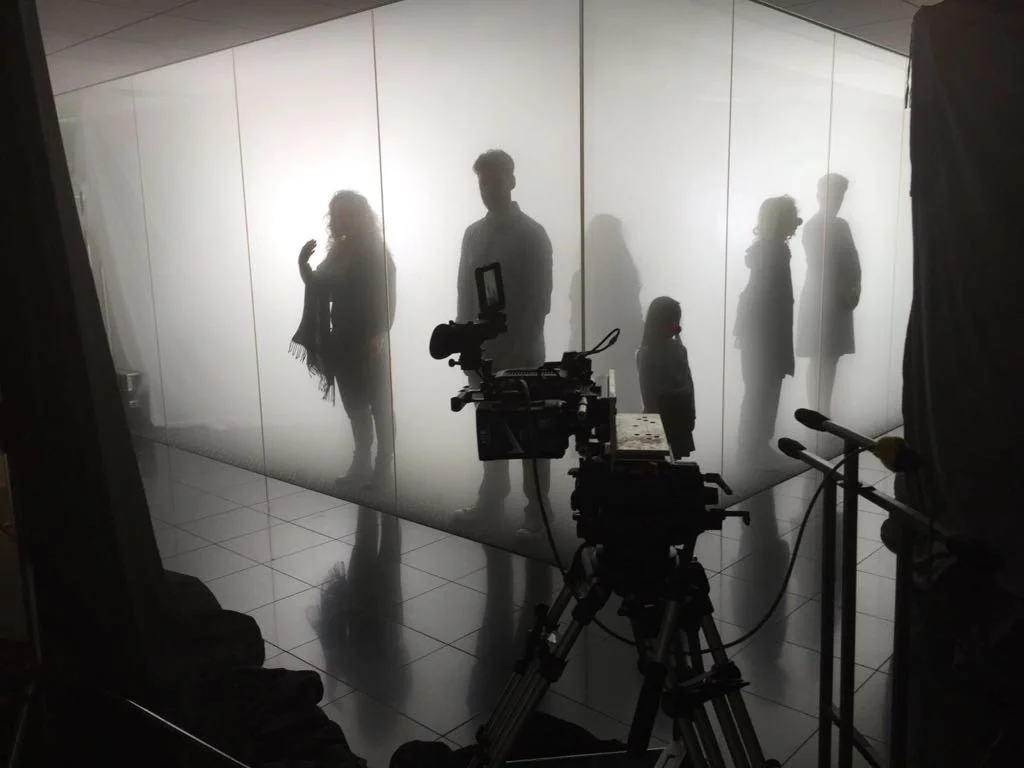
Van Leer's film scenography runs through the performance as a continuous visual layer. It’s a cinematic world projected into the ancient stone, transforming the ruins into something between memory and dream. The filmic and the live do not illustrate each other. They press against each other, the way the past presses against the present throughout the work.
Produced by Ballet National de Marseille, in co-production with Teatro Stabile di Napoli – Teatro Nazionale.
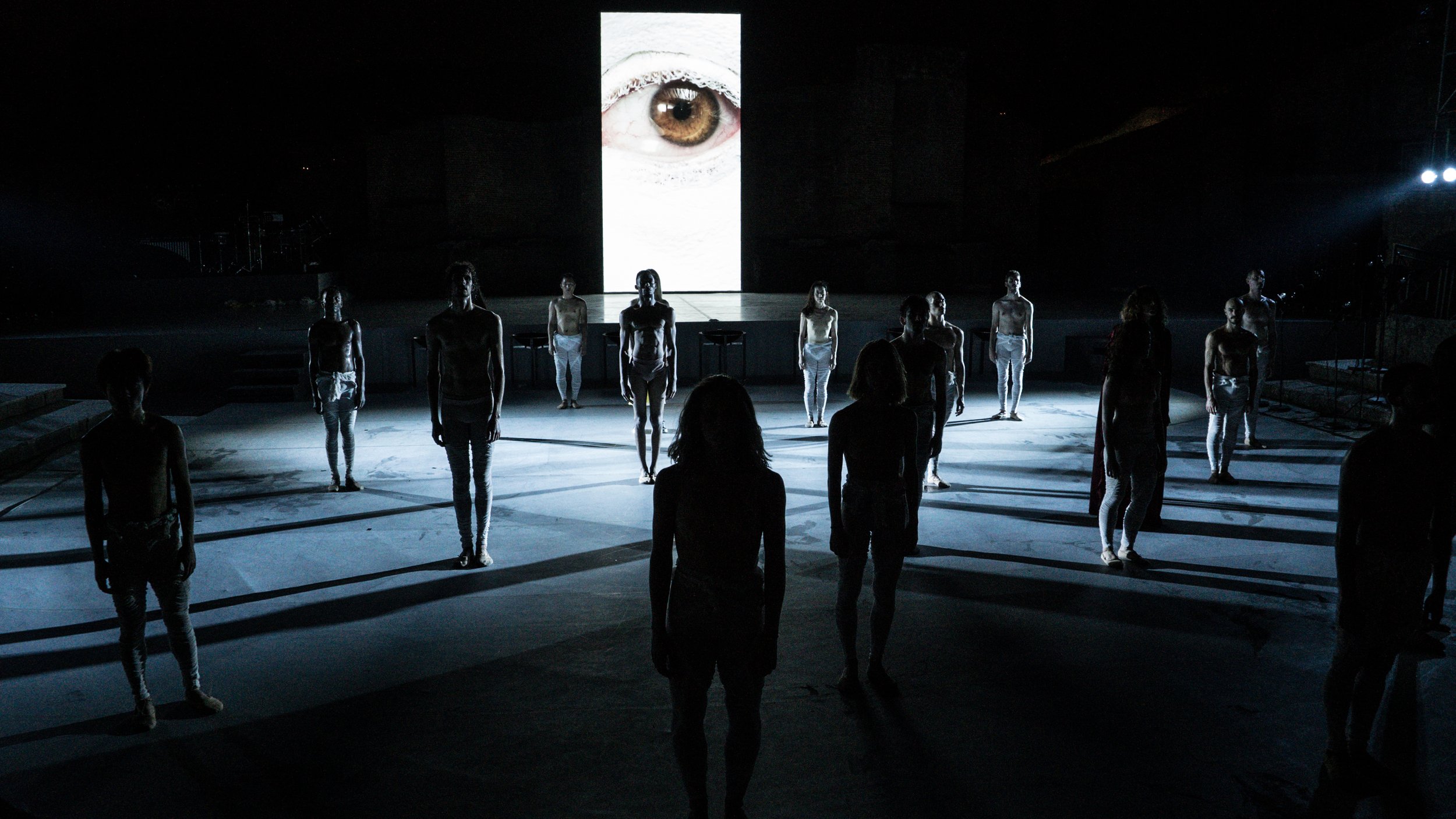
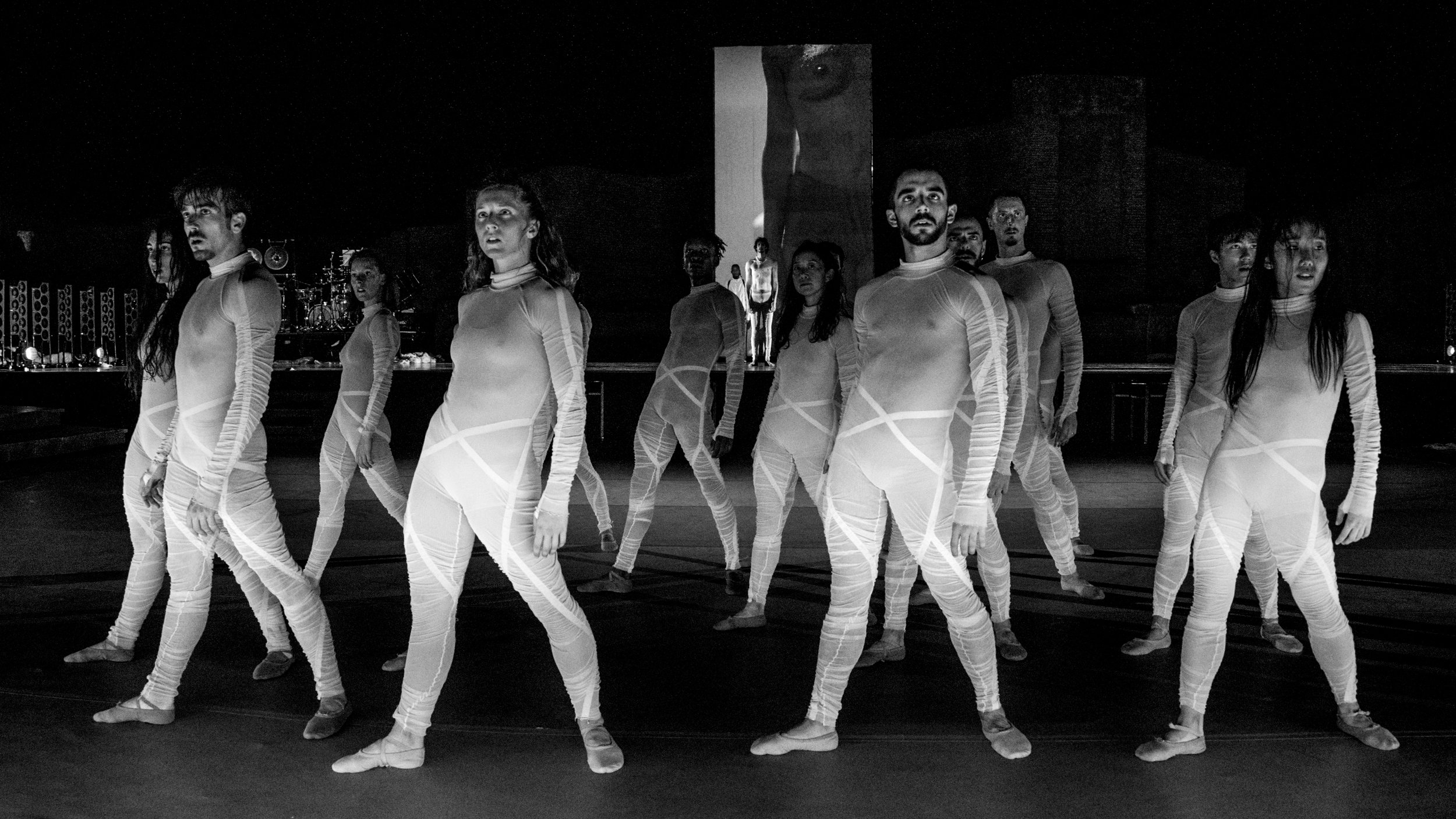
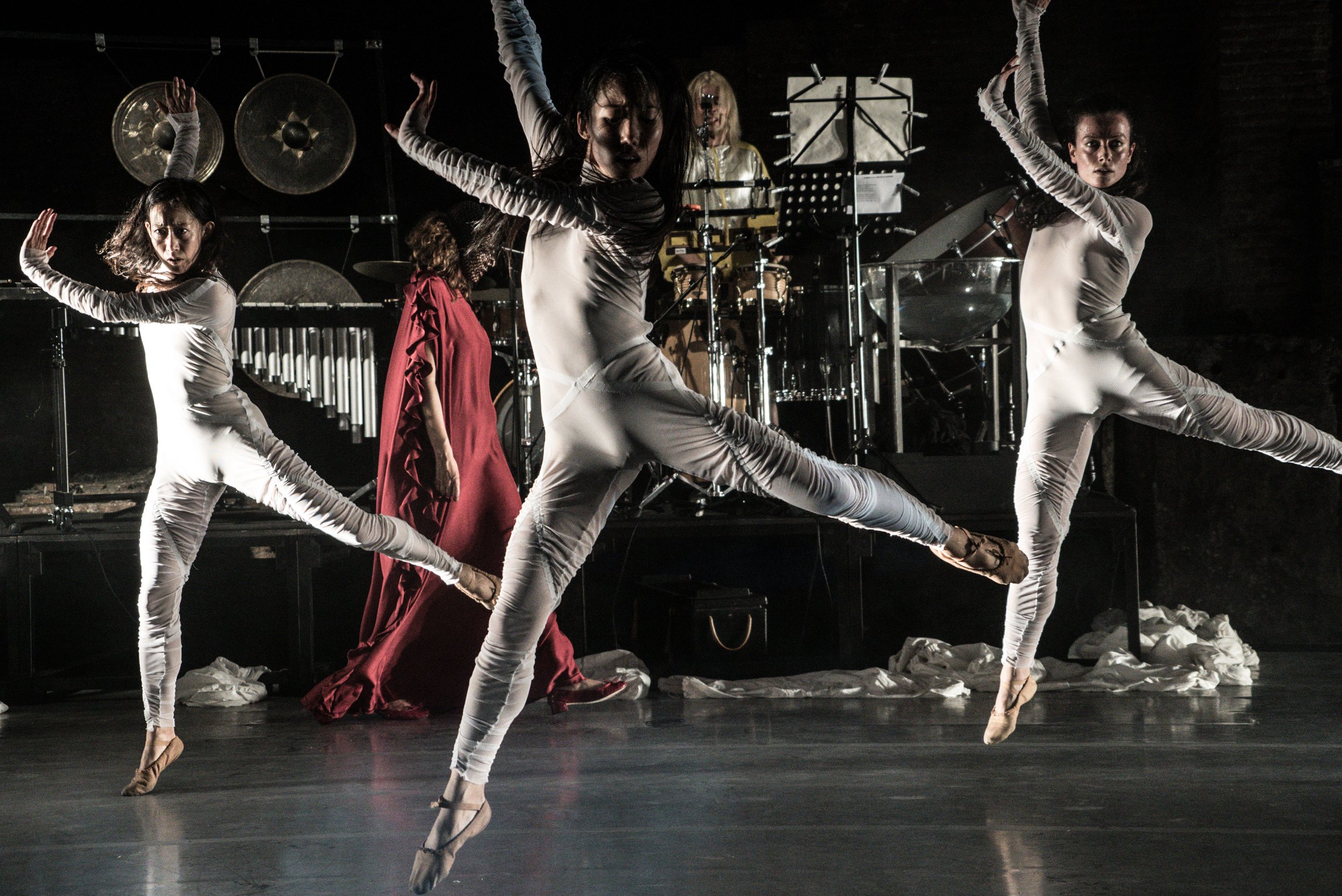
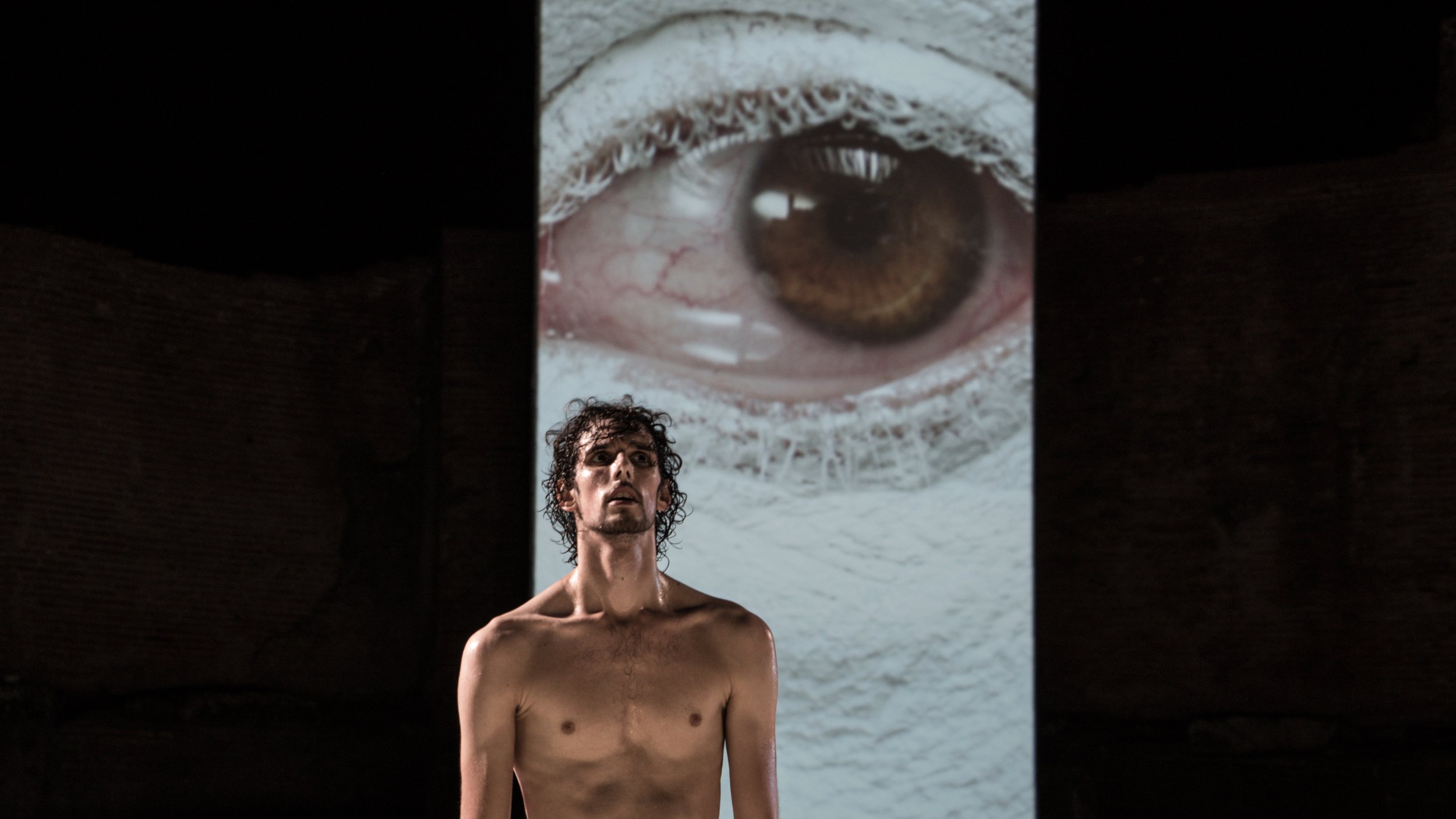
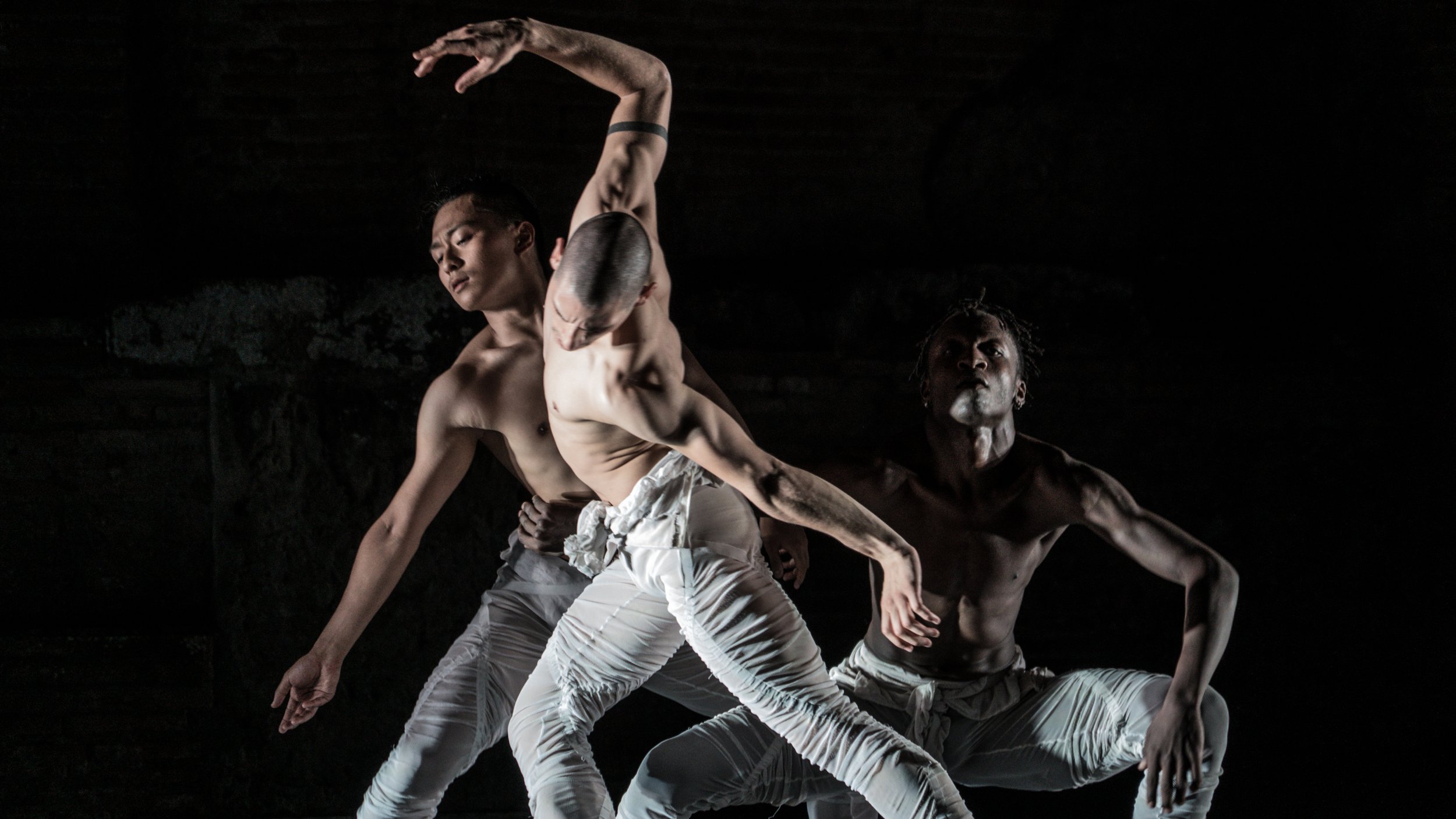
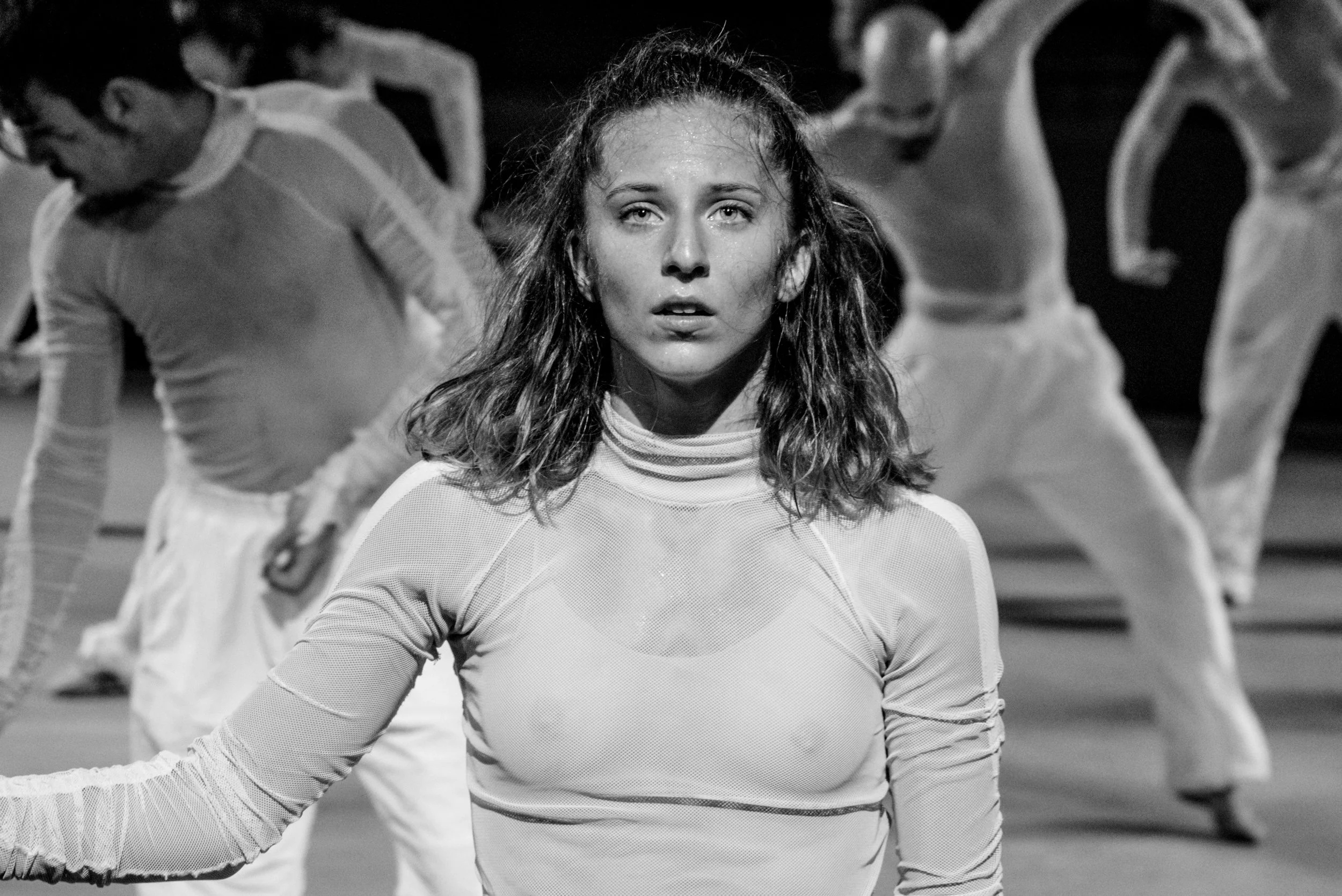
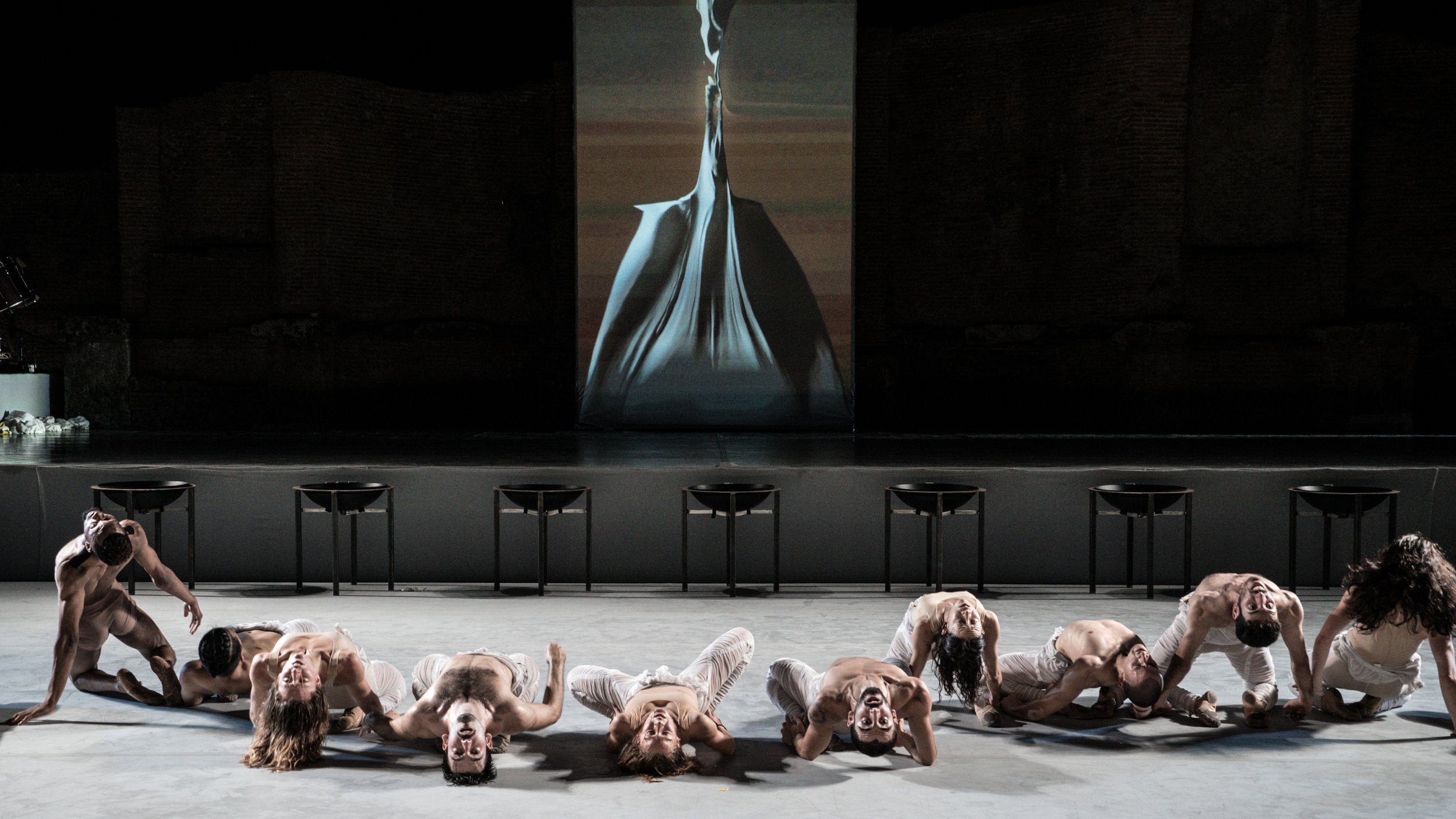
“The actress’ dialogue with the bodies of dancers, all dressed in white, create a dramatic tension in which struggle and love echos through. The past and present collide in an energetic and powerful musical and visual background.”
credits
| Concept & Choreography | Emio Greco I Pieter C. Scholten |
| Film Scenography | Ruben Van Leer |
| New Text by | Florian Hellwig |
| Dramaturgy | Marieke Buytenhuijs & Jesse VanHoek |
| Light Design | Henk Danner |
| Costumes | Clifford Portier |
| Set Manager | Daniel Nogueira |
| Performance | |
| Actress | Manuela Mandracchia |
| Percussionist | Flora Duverger |
| Voice Over | Thibault Villette |
| BNM Dancers | Bruno Denis, Beatrice Cardone, Carlos Diez Moreno, Pedro Garcia, Andrès Garcia Martinez, Gen Isomi, Nonoka Kato, Yoshiko Kinoshita, Alejandro Longines, Kengo Nanjo, Florine Pegat-Toquet, Maria Ribas, Francisco Rodrigues, Nadjibe Aaïd, Aya Sato, Nahimana Vandenbussche, Valeria Vellei, Anton Zvir |
| Film Performers | Edward Lloyd, Arad Inbar, Helena Volkov, Sedrig Verwoert, Sophia Dinkel, Maxine Van Lishout, Hannah Kriesmair, Suzan Tunca |
| Camera | |
| Cinematography | Nicholas Burrough |
| Gaffer | Sven Deen |
| Photography | Alwin Poiana |
| Art & Styling | |
| Art & Make-up | Lucienne Venner |
| Art Assistant | Thierry Van Raay |
| Technology | |
| Visual App | Roy Gerritsen |
| Production | |
| Produced by | Ballet National Marseille |
| Co-production | Teatro Stabile di Napoli – Teatro Nazionale |
| Special Thanks | |
| Thanks to | ICKamsterdam, Maarten Heijdra, Hugo Van Der Veldt & film crew |
filmmaker & media-artist